Table of Contents
I still remember the first time I reviewed an article written entirely by an AI tool for a tech blog I was advising. On the surface, it looked fine. The sentences were clean. The headings made sense. But when we published it, something felt off. The page did not hold readers. It did not earn links. And it quietly slipped down the rankings over the next few weeks.
That experience shaped how I approach AI tools for SEO content creation today.
After more than fifteen years working with tech blogs, content sites, and SEO driven publishing models, I have learned one simple truth. Content does not succeed because it exists. It succeeds because it fits intent, solves a real problem, and earns trust over time.
AI tools can help with that. But only when they are used with judgment.
In this guide, I am not going to sell you shortcuts. I am going to explain how the best AI tools for SEO content creation actually work in real publishing environments. I will show where they add value, where they fail, and how experienced bloggers use them without damaging credibility.
Have you ever published a post that looked solid but never gained traction? This article is written for that exact moment.
Why AI Tools Matter for SEO Content Creation Today
SEO content creation today is not about writing more. It is about writing with precision.
Search engines now evaluate content through helpfulness, intent satisfaction, and topical relationships. Google does not just look at one page. It looks at how that page fits into the larger structure of your site.
This is where AI tools matter.
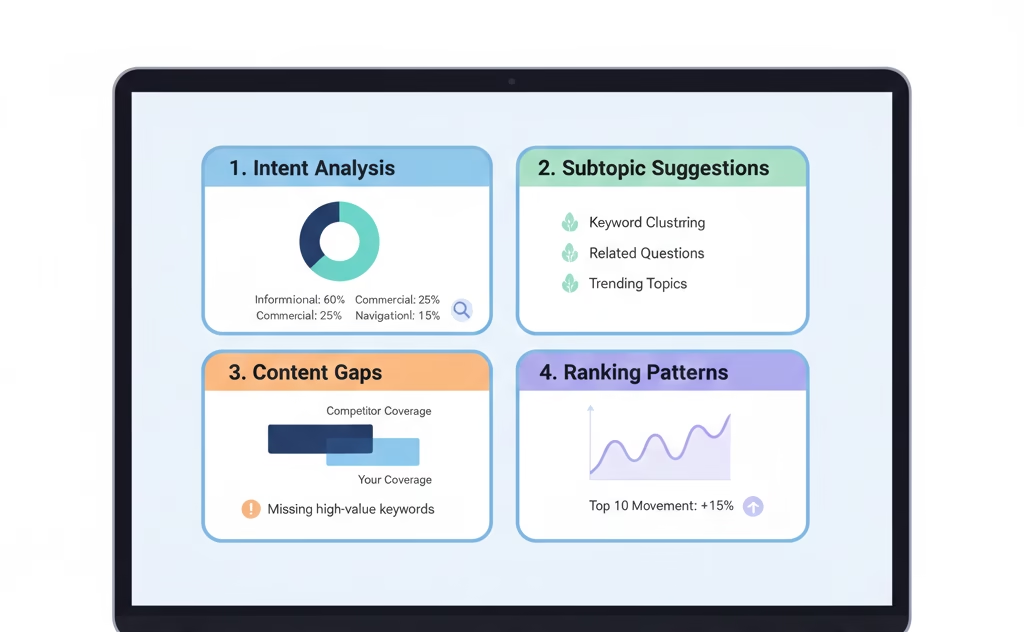
Used correctly, AI tools for SEO content creation help you see patterns that are difficult to detect manually. They analyze ranking pages, identify missing subtopics, and surface intent mismatches before you publish. This reduces wasted effort and increases consistency.
However, AI does not replace strategy. It supports it.
Many tech bloggers struggle because they still treat content as isolated posts. They write one article, publish it, and move on. Modern SEO rewards systems, not fragments. If this shift feels unfamiliar, exploring how SEO for tech blogs in the AI search era works can clarify why structure now matters more than ever.
AI tools help bridge the gap between effort and impact. They do not guarantee rankings. They reduce avoidable mistakes.
What Makes an AI Tool Actually Useful for SEO Content
Not every AI writing tool is useful for SEO.
The most common failure I see is bloggers using tools that focus only on sentence generation. These tools produce words, not understanding. Search engines reward understanding.
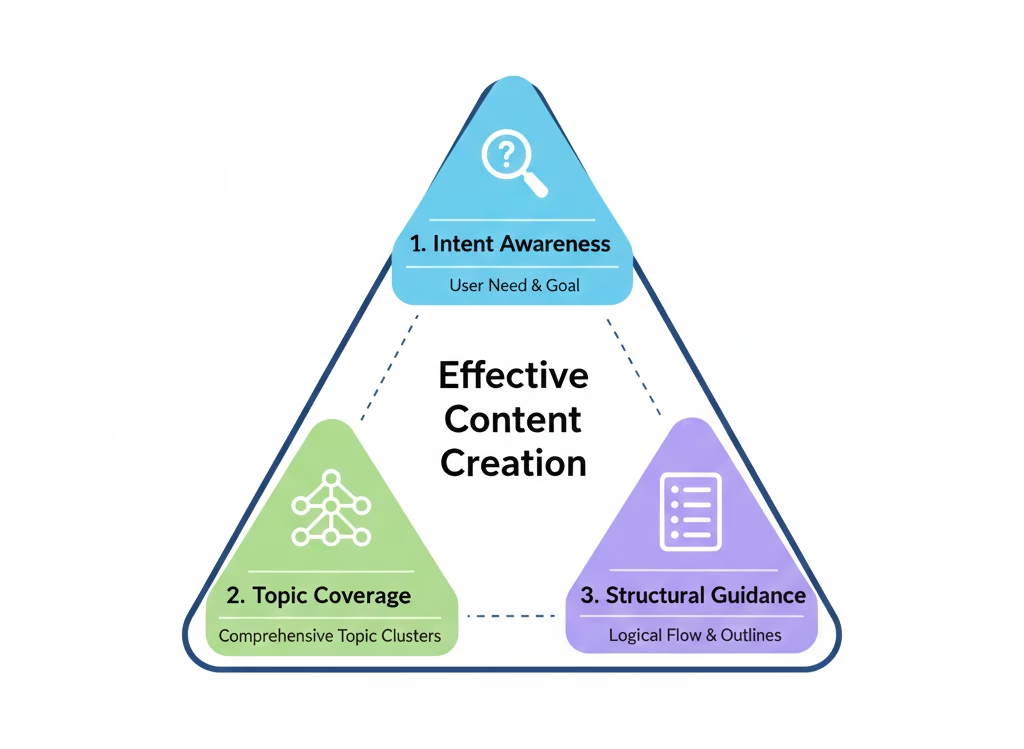
A useful AI tool for SEO content creation must do more than write. It must help you align content with how search engines interpret intent and relevance.
There are three qualities I look for.
First, intent awareness. Intent simply means why a user searches. Is the user learning, comparing, or deciding? AI tools that analyze live search results help you match this correctly.
Second, topic coverage. Strong content covers a topic fully without drifting. AI tools can identify related subtopics and entities. An entity is a recognized concept like a tool name, platform, or method that search engines understand as part of a topic.
Third, structural guidance. Good tools help shape outlines, headings, and flow. They do not force keyword stuffing. They support clarity.
If an AI tool cannot help with these areas, it is usually just a writing assistant, not an SEO asset.
Categories of AI Tools for SEO Content Creation
One mistake I often see is comparing tools without understanding their role. No single tool does everything well.
Experienced publishers use AI tools for SEO content creation by category. Each category supports a different part of the workflow.
Research and SERP Analysis Tools
These tools analyze search results and competing pages. Their goal is direction, not drafting.
They help you understand what Google already rewards. This prevents writing content that looks good but targets the wrong angle.
Research tools are especially valuable for new sites because they reduce guesswork.
Writing and Drafting Tools
Drafting tools help turn outlines into readable content. They save time during the first version, not the final version.
When used carefully, they improve consistency. When overused, they create generic pages.
Optimization and Refinement Tools
These tools focus on improvement, not creation. They analyze readability, structure, and topical coverage.
Optimization tools should guide edits, not dictate them. Blindly following suggestions often leads to over optimized content that feels unnatural.
Understanding these categories helps you choose tools intentionally instead of emotionally.
Best AI Tools for SEO Content Creation Based on Real Use
I have tested dozens of tools across different projects. Some were impressive demos that failed in real publishing. Others became quiet essentials.
Below are tools that have proven useful in actual SEO workflows.
ChatGPT for Content Structuring and Drafting
I use ChatGPT primarily as a structure assistant, not a final writer.
Its strongest use case is helping shape outlines, expand bullet points, and clarify explanations. For tech bloggers, this is valuable because structure often determines whether content feels approachable or overwhelming.
ChatGPT works best when you provide context. Clear prompts lead to usable drafts. Vague prompts lead to generic output.
Where it fails is originality. Without human input, content feels flat. This is why I never publish raw drafts.
For bloggers who understand their niche, ChatGPT saves time without harming quality.
You can explore the tool directly through the OpenAI website for hands on testing.
Jasper AI for Brand Consistency and Scaling
Jasper AI shines when consistency matters.
For sites publishing frequently, tone drift becomes a problem. Jasper helps maintain a stable voice across multiple writers or posts. This is especially helpful for growing tech blogs that want a recognizable style.
Its templates support faster drafting, but the real strength is brand control. You can train the tool to follow specific language preferences.
The limitation is flexibility. Jasper works best when your content format is predictable. For experimental or deeply technical articles, manual writing still matters.
Pricing can be a concern for solo bloggers. It makes more sense when content volume justifies the cost.
You can review features directly on the Jasper website.
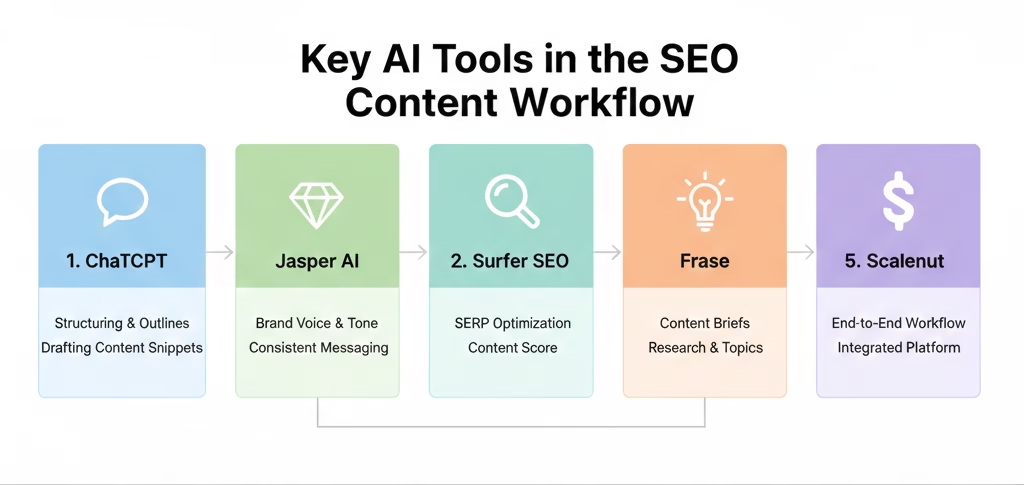
Surfer SEO for SERP Driven Optimization
Surfer SEO focuses on alignment with ranking pages.
It analyzes top results and highlights patterns in headings, topic coverage, and structure. For beginners, this prevents thin content. For experienced writers, it acts as a second opinion.
The risk with Surfer is overuse. Following every suggestion often leads to unnatural writing. I use it to validate coverage, not dictate wording.
Surfer becomes more powerful when combined with tools focused on content gap and topic cluster analysis, because it helps ensure your article fits into a larger authority system rather than standing alone.
Frase for Research Driven Content Briefs
Frase excels at research clarity.
Instead of jumping into writing, Frase helps you understand what questions and subtopics matter most. This is ideal for long form informational articles where missing a key section can weaken trust.
I often use Frase to build briefs that writers follow manually. This reduces rewrites and improves first draft quality.
Frase is less about writing speed and more about writing accuracy. For SEO focused content, accuracy builds authority.
Scalenut for End to End SEO Content Workflow
Scalenut is one of the few tools I have seen that tries to support the entire SEO content creation process instead of focusing only on writing. For bloggers who prefer working inside one platform, this can reduce friction.
Its biggest strength is planning. Scalenut helps map topics, build outlines, and move into drafting without switching tools. This matters because context often gets lost when workflows are fragmented.
For niche tech blogs, Scalenut works best when the site has a clear focus. It helps maintain topical consistency and avoids publishing content that drifts away from the main theme.
Where Scalenut needs care is editing. The drafts still require human review for clarity, tone, and accuracy. Without this step, content can feel overly structured.
Scalenut is a practical choice for bloggers who want guidance without micromanagement.
How to Choose the Right AI Tool for Your Blog
Choosing the best AI tools for SEO content creation depends less on features and more on your current stage.
If you are a solo blogger, flexibility matters more than automation. Tools like ChatGPT or Frase allow deeper thinking without locking you into rigid workflows.
If you manage multiple writers or publish at scale, consistency becomes critical. Jasper and Scalenut help reduce tone drift and structural inconsistency.
AdSense focused blogs need restraint. Over optimized content can hurt trust signals. If AdSense is your goal, learning how SEO signals that help with AdSense approval work will help you choose tools that support value instead of shortcuts.
Ask yourself a simple question before choosing a tool. Will this tool help me think better, or just publish faster?
How I Use AI Tools in a Real SEO Content Workflow
AI tools work best inside a clear system. Below is the workflow I use and recommend for tech bloggers.
Step 1 Topic and Intent Validation
Every article starts with intent. I use AI research tools to understand whether the searcher wants learning, comparison, or guidance. This prevents publishing content that targets the wrong audience.
Understanding intent layers also reduces overlap. If multiple articles target similar intent, rankings weaken. Exploring how using search intent layers to reduce keyword overlap works can prevent this early.
Step 2 Outline and Structure Creation
Once intent is clear, I build a detailed outline. AI tools help here by suggesting logical sections and related subtopics.
A strong outline reduces editing time later. It also ensures that content feels complete instead of scattered.
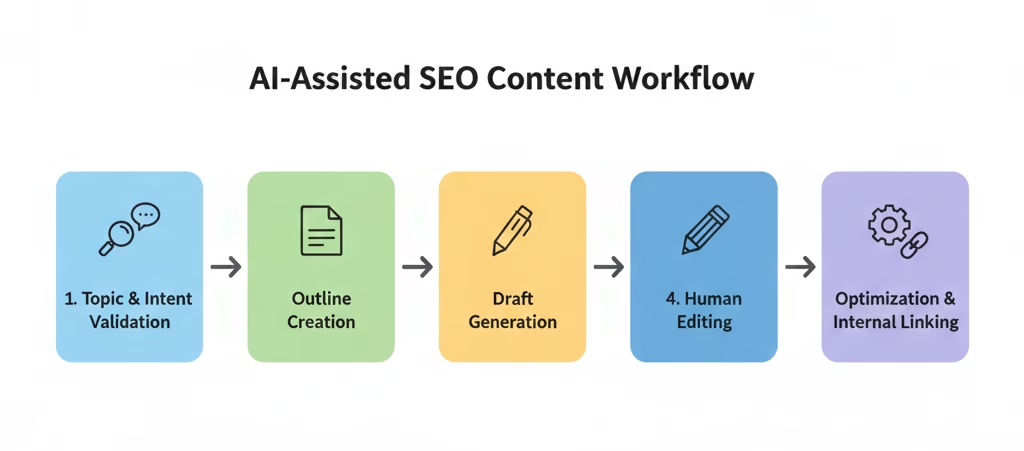
Step 3 Draft Generation and Expansion
I use AI drafting tools to expand sections, not finish them. This saves time but keeps control in human hands.
I always review transitions, examples, and explanations to ensure natural flow.
Step 4 Human Editing and Experience Layering
This step protects rankings.
I add real observations, clarify complex ideas, and remove filler. Search engines reward clarity and usefulness, not volume.
Step 5 Optimization and Internal Linking
Finally, I review structure and internal links. Strong linking turns articles into systems. Learning about internal linking for topical authority helps connect content naturally and improve engagement.
Common Mistakes Bloggers Make With AI Content Tools
The most common mistake is publishing drafts without review. AI can create structure, but it cannot validate truth or usefulness.
Another issue is over optimization. Tools often suggest repeating terms excessively. This makes content feel forced and harms trust.
Ignoring topical relationships is another problem. Articles should support each other, not compete. When overlap occurs, rankings suffer. Understanding how detecting and fixing keyword overlap works can prevent long term damage.
AI tools amplify both good and bad strategy. Discipline matters more than features.
AdSense Safety and AI Written Content
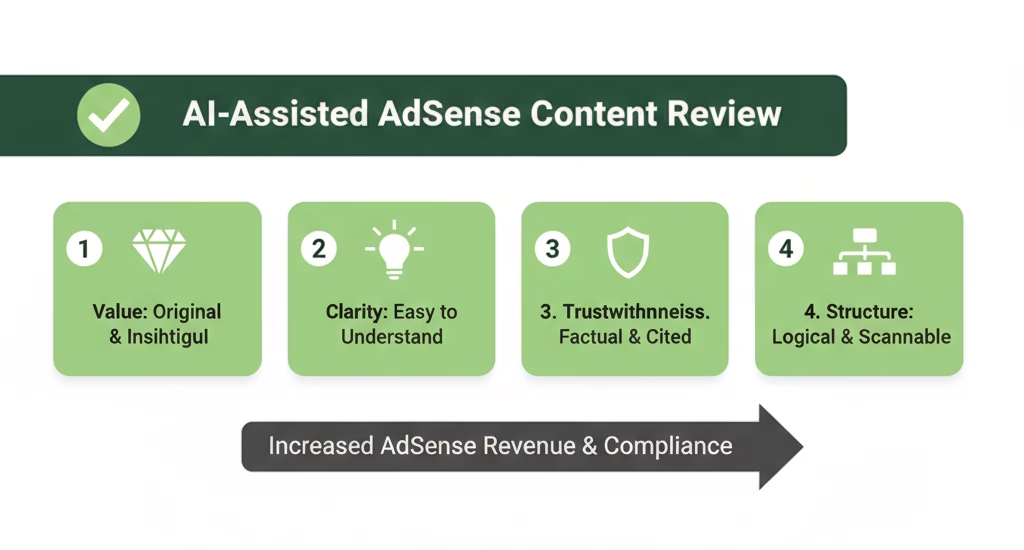
AdSense approval depends on value, clarity, and trust.
AI content is not unsafe by default. What matters is whether the content helps users. Thin pages, misleading claims, or excessive ads raise red flags.
AI tools can support AdSense safety by improving structure and reducing confusion. They help identify weak sections and missing explanations.
If monetization is a goal, learning how AI tools help bloggers optimize content for AdSense compliance ensures content meets quality expectations without manipulation.
Practical Tips to Make AI Content Feel Human
To keep content natural, I follow a few simple rules.
• Vary sentence length naturally
• Add short explanations for technical terms
• Use examples from real publishing experience
• Remove repetitive phrases
• Read drafts aloud before publishing
These steps transform AI assisted drafts into content that feels written, not generated.
Future of AI Tools for SEO Content Creation
The future of AI tools is not faster writing. It is better understanding.
Tools will focus more on research, intent mapping, and content maintenance. Human judgment will become more important, not less.
Authority sites will outperform mass generated sites because trust compounds slowly.
AI will support thinking, not replace it.
Frequently Asked Questions
Are AI tools safe for SEO content creation
Yes, when used responsibly. Search engines reward helpful content regardless of how it is created.
Can AI written content rank on Google
It can, but only when it satisfies intent and provides value.
How much human editing is required
Enough to ensure clarity, accuracy, and usefulness. Raw drafts are rarely enough.
Which AI tool is best for beginners
Tools that focus on structure and research are safer for beginners than full automation.
Can AI content get AdSense approval
Yes, if the content is original, helpful, and well structured.
Do I need multiple AI tools
Not always. One good tool used well is better than many tools used poorly.
Conclusion
The best AI tools for SEO content creation do not replace experience. They support it.
When used with care, AI tools reduce friction, improve structure, and help content align with real search behavior. When misused, they create noise.
The difference is intent.
Build systems, not shortcuts. Treat content as an asset, not output. If you approach AI with patience and judgment, it becomes one of the most valuable tools in modern SEO.
If you want to go deeper next, explore how AI prompt systems help create high trust tech content or how monetizing tech blogs using AI tools safely fits into a long term publishing strategy.
