If you’re still doing SEO like it’s 2023, you’re already behind — and it’s not ChatGPT you should be worried about, it’s your own outdated strategy. Artificial Intelligence has already changed search forever, and what used to work in “classic” SEO no longer guarantees visibility.
In the AI era, Google isn’t the only search giant you need to think about. Tools like Bing Chat, Perplexity, Claude, and even ChatGPT itself are now major gateways to traffic. Ranking “#1 on Google” may sound impressive, but if that position is buried under ads, business listings, featured snippets, and an AI-generated overview, it’s basically invisible to users.
This guide breaks down five major shifts in SEO for the AI-driven search landscape — and exactly how to adapt your strategy so you stay ahead.
1. Rethinking Your Ranking Target
In the past, traditional SEO was obsessed with one metric:
“Is my page ranking in the top 10 blue links on Google’s first page?”
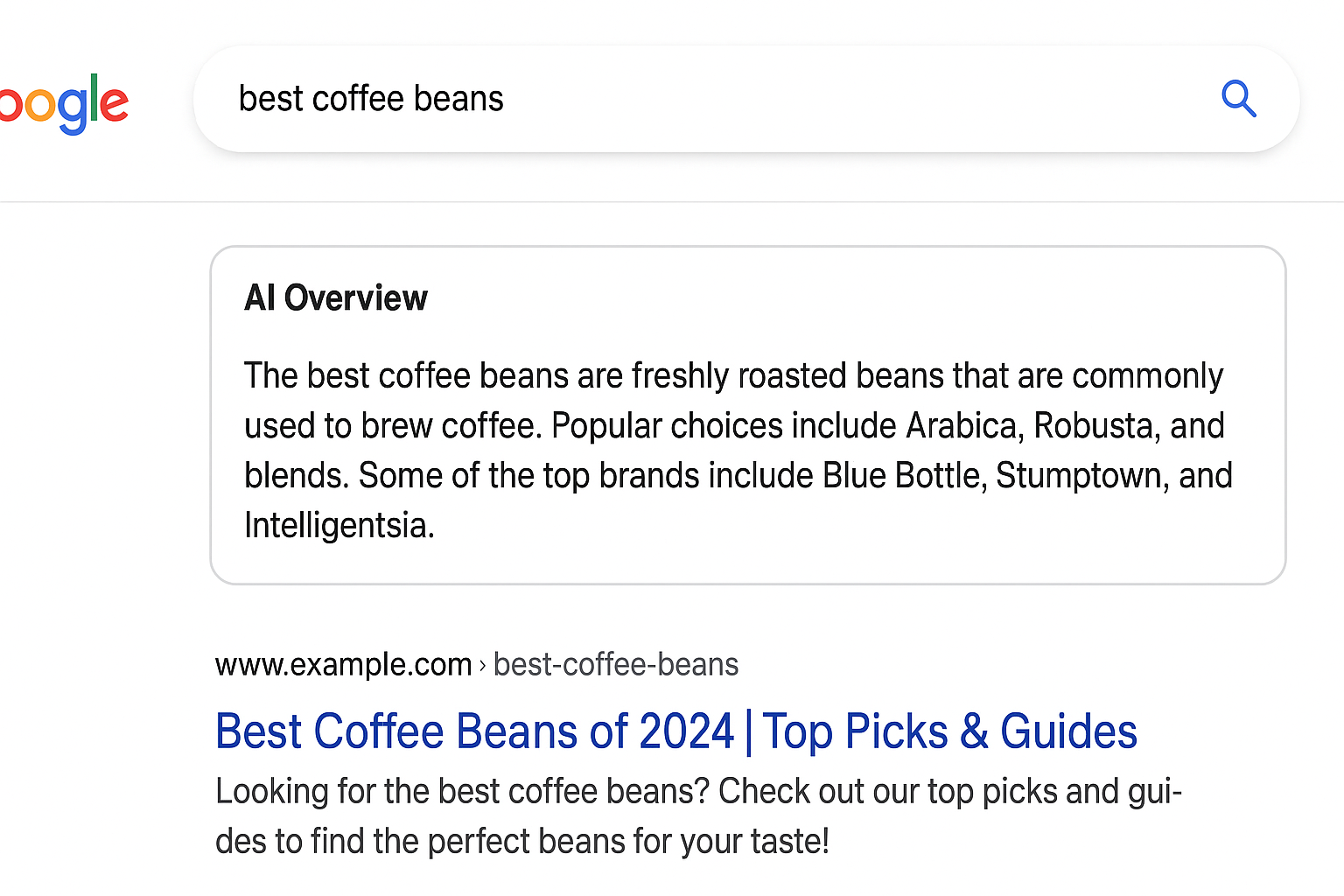
Some SEOs even targeted position zero — the coveted featured snippet — because it was seen as the best way to dominate search results. But now, the AI Overview is king.
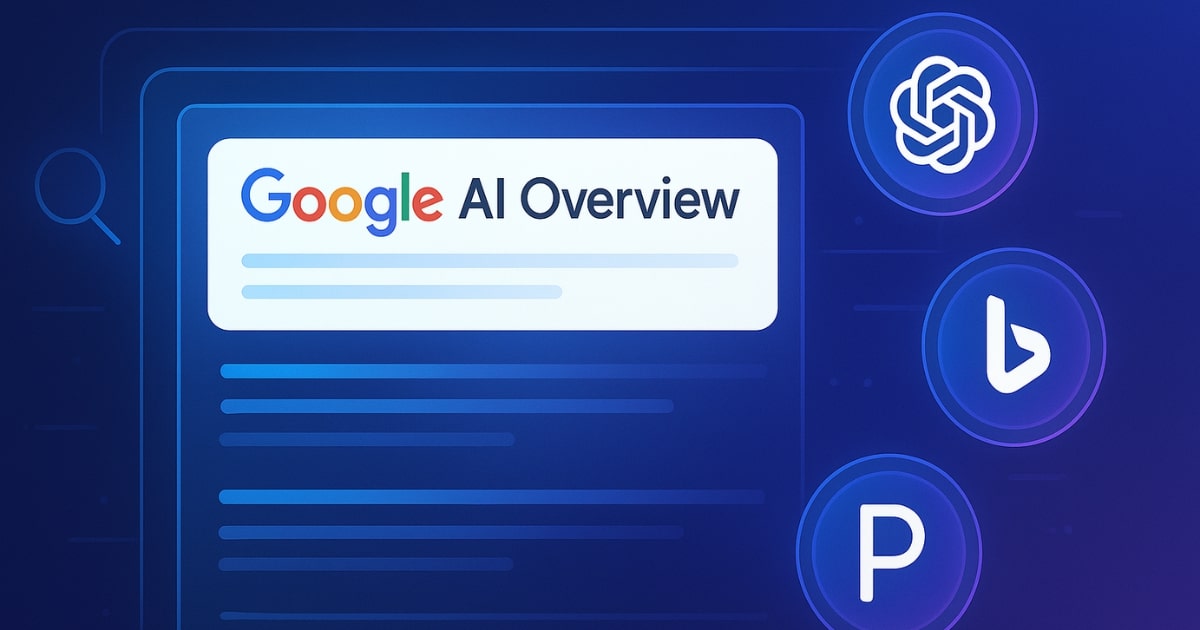
AI Overviews are those large, AI-generated answer boxes at the top of search results that combine information from multiple sources. Even if you rank #1 organically, you could still be pushed far below the fold if an AI summary appears above you.
Why this matters:
In 2026, you don’t just want to “rank” — you want to be featured inside the AI Overview itself. That means your content must be clear, authoritative, and semantically rich so AI systems can easily pull it into their summaries.
Pro Tip: Track how often your site appears in AI Overviews, not just where it ranks in organic results. If you can’t measure it yet, consider building a reporting method (or wait for upcoming tools that make this easier).
2. Traffic Sources Are No Longer Just Google
11-44-54PM
Back in the day, SEO reporting revolved around Google traffic: which keywords drove it, which pages ranked, and the average positions. Rarely did anyone bother tracking whether traffic came from Bing, Yahoo, or other platforms.
That’s a dangerous blind spot now.
AI answers aren’t just coming from Google. They’re generated by:
- ChatGPT (and its search-integrated plugins)
- Bing Chat
- Perplexity AI
- Claude.ai
- And many niche AI-driven assistants
If you’re not tracking how much traffic each of these AI platforms sends you, you could be missing major opportunities.
How to track it:
Google Search Console won’t show you traffic from ChatGPT or Perplexity. You’ll need Google Analytics data connected to Looker Studio.
Here’s the high-level process:
- Create a new Looker Studio report and connect your Google Analytics property.
- Add a table chart that displays “Referral” as the dimension and Total Users as the metric.
- Filter the table to show only referrals containing terms like
chatgpt.com,perplexity.ai, orclaude.ai. - Save the report and monitor it monthly to see trends in AI-driven traffic.
By doing this, you’ll see exactly how many sessions, engaged visits, and users are coming from AI assistants — insight you’ll never get from standard keyword reports.
3. Content Creation in the AI Era
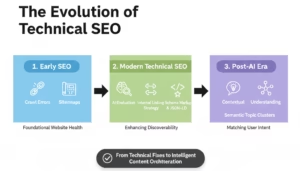
Classic SEO content creation revolved around keywords. You’d research a keyword, find variations, remove stop words, and then write a dedicated page targeting that exact phrase.
That doesn’t cut it anymore. LLM-powered AI bots like ChatGPT don’t look for exact keyword matches. They try to understand the meaning behind a query and pull from content that is semantically relevant.
What this means for you:
- Stop writing stiff, keyword-stuffed pages.
- Make sure your content naturally covers related concepts, synonyms, and context.
- Ensure images, examples, and structure all support the topic’s meaning — not just the keyword.
The Role of Schema Data
AI bots and search engines also look beyond the body text. They scan schema markup in your page’s HTML header to understand the content more deeply.
If your schema data doesn’t match your visible content, you’ll confuse both Google and AI bots. This mismatch can reduce your chances of being featured in AI answers.
Action steps:
- Implement comprehensive, accurate schema markup on every page.
- Use schema types relevant to your industry — articles, products, FAQs, reviews, etc.
- Keep schema updated as your content changes.
Even if schema implementation feels “technical,” it’s one of the fastest ways to make your site AI-friendly without rewriting everything.
4. Optimization for Humans AND AI Bots
Traditional on-page optimization — meta titles, meta descriptions, alt text, canonical tags, hreflang — primarily helps Google understand your site. But AI assistants like ChatGPT don’t rely on those same signals in the same way.
If you want AI bots to feature your content, start optimizing inside the page itself.
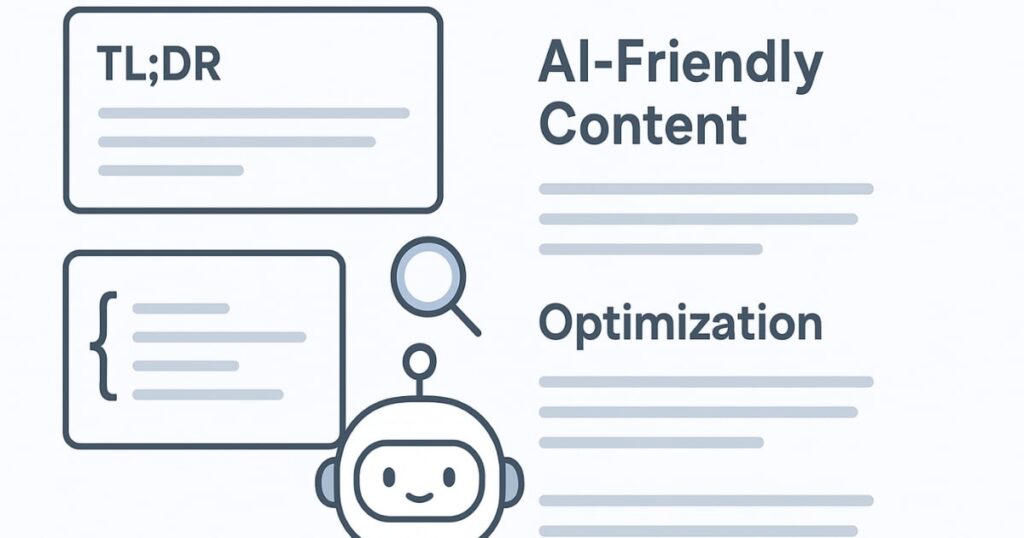
Add an In-Content Summary
Think of this as a TL;DR at the top of your article:
- 2–3 lines for articles under 1,000 words
- 4–5 lines for longer pieces
This isn’t your meta description. It’s a quick, human-readable summary for visitors (and bots) who’ve already landed on your page. AI systems that skim your content will often pick up these summaries when generating answers.
Use “Speakable” Schema
This special schema type tells AI bots exactly which part of your page is best to read aloud or summarize. Since people often ask long, natural-language questions to AI assistants, “speakable” schema helps your answer get selected.
Example: If you have a how-to guide, mark up your step-by-step section as speakable. This increases the chance of AI quoting it directly.
Bottom line: Optimize your pages not just for search crawlers, but for summary engines that want concise, well-structured responses.
5. Measurement in the AI SEO World
In old-school SEO, measuring success meant tracking rankings, impressions, clicks, and total traffic.
In AI SEO, you need two new metrics:
- Traffic from AI bots (measured via your Looker Studio dashboard).
- Mentions inside AI answers (harder to measure, but worth exploring).
The first metric is straightforward if you’ve set up referral tracking. The second is trickier — you need to monitor how often your site is cited in AI Overviews, Bing Chat answers, or Perplexity responses.
While no mainstream tool automates this perfectly yet, you can run periodic checks for your target queries and manually track mentions. Over time, you’ll see patterns that reveal which content types get picked up most often.
Final Thoughts
AI SEO isn’t coming — it’s here.
If you keep focusing only on Google rankings, you’ll miss the much bigger opportunity: being featured directly in AI-driven answers where users now spend their attention.
To succeed, shift your focus from position tracking to visibility tracking, from keyword stuffing to semantic relevance, and from search engine optimization to assistant optimization.
The tools and tactics are already available — it’s just a matter of adapting your mindset.
FAQs
1. What is an AI Overview in Google Search?
An AI Overview is Google’s AI-generated answer box that appears at the top of search results, summarizing information from multiple sources.
2. How do I track traffic from ChatGPT or Perplexity?
You can set up referral tracking in Google Analytics and create a Looker Studio dashboard that filters traffic from domains like chatgpt.com or perplexity.ai.
3. Does keyword research still matter in AI SEO?
Yes, but you must focus on semantic relevance — covering the meaning and context around a topic, not just repeating exact keywords.
4. Why is schema markup important for AI SEO?
Schema helps AI bots and search engines understand your content’s structure and meaning, increasing your chances of being featured in summaries.
5. What is “speakable” schema and how does it help?
Speakable schema identifies specific sections of your content that are ideal for voice or AI assistants to read aloud or summarize.
6. Is ranking #1 on Google still valuable?
It can be, but with ads, business listings, featured snippets, and AI Overviews above you, visibility is more important than pure ranking.
7. What’s the fastest AI SEO optimization I can do today?
Add a short, clear TL;DR summary at the top of your content so AI systems can quickly understand your main points.