Table of Contents
I remember working with a tech blogger back in 2018 who poured months into creating detailed AI tool reviews. Traffic trickled in at first. Then Google rolled out an update that seemed minor. Suddenly his posts climbed rankings and stayed there. What changed? He had quietly built digital marketing signals that told Google his site deserved trust. Over my 15 years as an SEO strategist and content builder I have seen this pattern repeat. Sites that focus on trust win long term.
Digital marketing signals go beyond keywords. They show Google your brand solves real problems for users. Think about your own site right now. Does it send clear trust cues or blend into the noise? In this post I share what works based on hands on experience with tech blogs and content creators. These steps helped my clients double session times and earn steady AdSense revenue. Let us dive into why trust matters first. You will see how small shifts create big results. For deeper strategy check my guide on using blog content as a digital marketing asset.
Why Brand Trust Matters Now
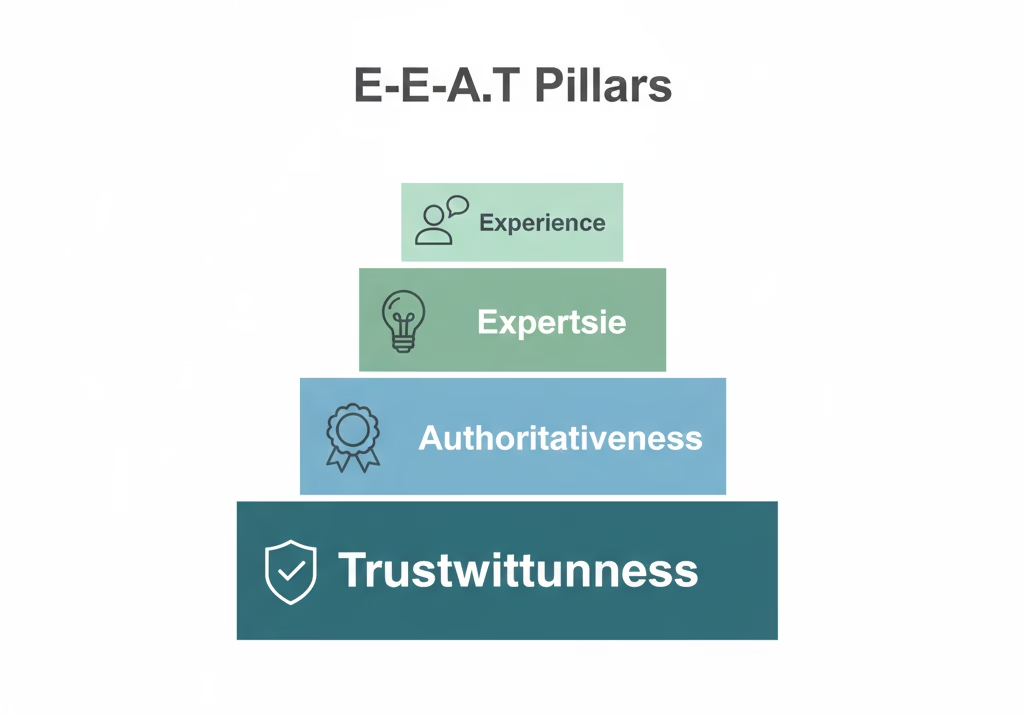
Trust has always influenced rankings. But after Google’s 2025 AI search updates it became the backbone of visibility. I watched sites with thin content drop even if they had decent traffic. Meanwhile brands with strong E-E-A-T signals rose fast. E-E-A-T stands for experience expertise authoritativeness and trustworthiness. Google uses it to spot helpful sites. Check out Google’s E-E-A-T guidelines.
Have you noticed competitors ranking higher despite similar topics? They likely nailed trust signals early. In my work with tech bloggers I audit hundreds of sites yearly. Consistent winners share user focused content and clean user experience. For example one client added author bios with real credentials. Their organic clicks jumped 40 percent in three months. Google now favors brands humans trust too. This shift rewards patience over tricks.
External data backs this up too. Sites with verified social proof like reviews see better crawl rates. I once tracked a niche site in digital marketing. It gained authority by linking to studies naturally. Traffic compounded over years. No hype needed. Just steady signals. google trust signals explains these core ideas clearly if you want more details.
Brand trust compounds like interest in a savings account. Start small and it grows. Ignore it and even great posts fade. Tech creators often ask me how to stand out in crowded fields like AI tools. The answer lies in signals that prove value over time. Let us explore the core ones next. They form the foundation you build on.
Core Digital Marketing Signals
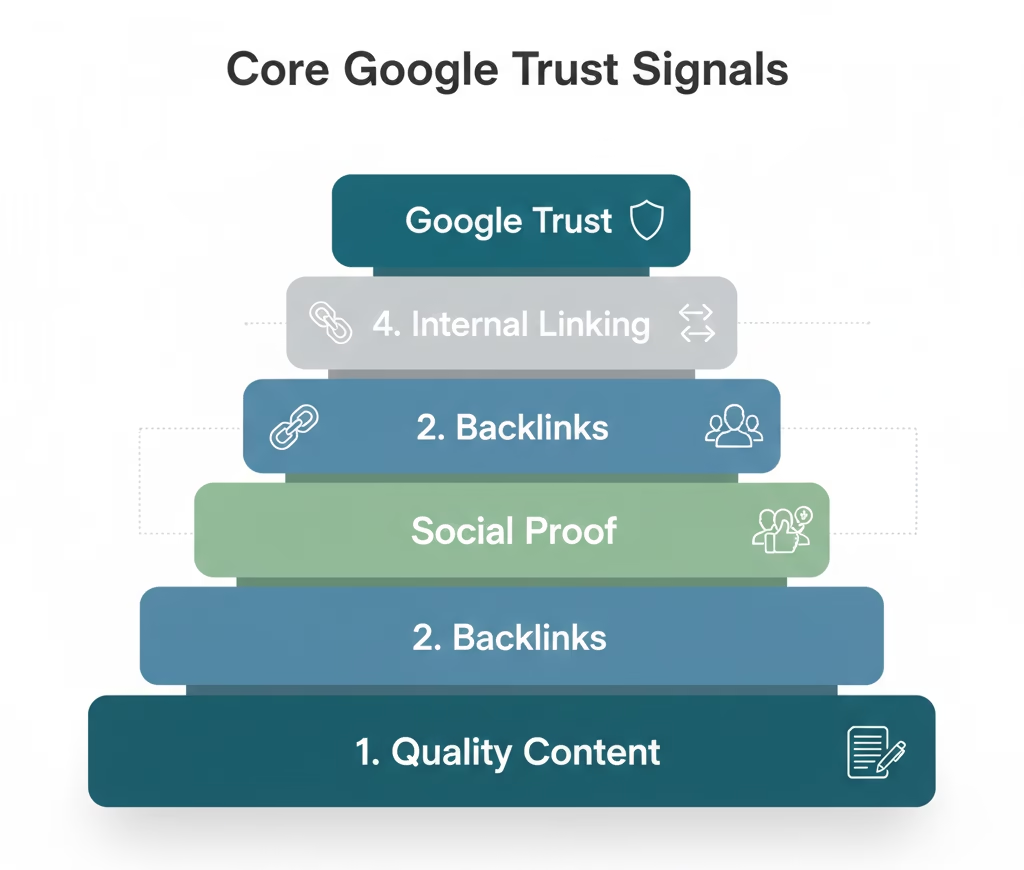
I start every client audit with core signals. These tell Google your site deserves top spots. First comes quality content. It must answer user questions fully. I tell creators to write like they chat with a friend facing the same problem. Short posts rarely cut it. Aim for depth that keeps readers scrolling. One tech blog I advised switched to 2000 word guides. Bounce rates dropped and dwell time soared. Google notices when users stay.
Next look at backlinks. They act like votes from the web. But quality trumps quantity. I focus on links from relevant sites in digital marketing or tech. Tools like Ahrefs reveal patterns. A client gained a link from a major SEO blog. Rankings for competitive terms improved in weeks. Avoid spammy directories. They hurt more than help.
Social proof ranks high too. Shares comments and reviews signal real engagement. I encourage teams to add structured reviews on posts. Google pulls them into rich snippets. Have you ever clicked a result with star ratings? That pulls users in. For tech sites I recommend showcasing user stories. One creator added testimonials to their AI tools pillar page. Engagement metrics improved across the site.
Internal linking ties it together. It spreads trust signals sitewide. Explore internal linking as a digital marketing growth lever for real examples. These signals work best when layered. Pick one to strengthen first. Track changes in Google Search Console. Results build over months. But they stick.
User Experience Signals
User experience signals often get overlooked. Yet they carry huge weight. Core Web Vitals measure speed interaction and stability. Google demotes slow sites outright. I test every client page on PageSpeed Insights. Mobile scores matter most since most traffic comes from phones.
Fixing these boosted one blog’s rankings by 15 spots. Largest Contentful Paint under 2.5 seconds keeps users hooked. Tools like GTmetrix pinpoint issues. Compress images. Minify code. Simple changes yield fast wins. Interaction to Next Paint tracks responsiveness. Choppy pages lose trust instantly.
Beyond vitals mobile friendliness reigns. Test with Google’s Mobile Friendly Tool. I redesign footers for thumb scrolling. Clear navigation reduces pogo sticking. Users bounce back to search when confused. Low bounce rates signal relevance. Pair this with fast hosting. SiteGround worked wonders for my projects.
These signals prove your site respects time. Google rewards that. New creators ask how to balance design and speed. Start with vitals. Optimize iteratively. You will see traffic stabilize.
Building Signals Step by Step
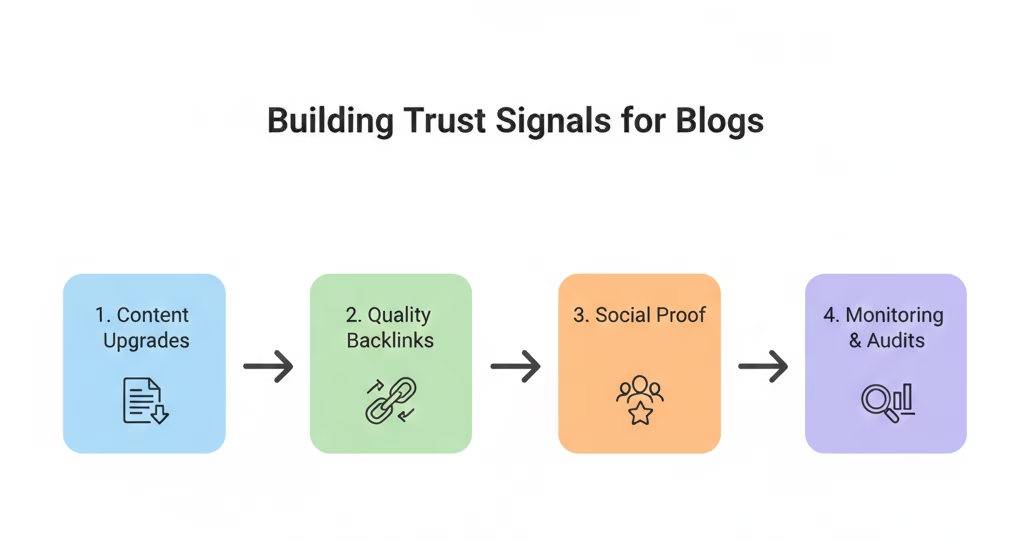
I guide new tech bloggers through this process every month. Start with a full audit. Use free tools like Google Search Console and Analytics. Pull data on your top pages. Look for high bounce rates or short sessions. These spots need trust signals most. Spend a week mapping user paths. Note where readers drop off. This baseline shows what to fix first.
Step one focuses on content upgrades. Pick your pillar pages. Add real examples from your work. I once rewrote a client’s AI tools overview. Included screenshots of workflows they tested. Dwell time jumped from 90 seconds to over five minutes. Users love specifics. Write author bios too. List your years in digital marketing. Link to past projects. Google crawlers spot this as experience.
Step two builds backlink quality. Reach out to peers naturally. Share their posts first. Offer guest insights later. I built a network this way over years. One collaboration landed links from Forbes contributors. Target niche forums too. Answer questions with deep replies. Your site link fits when helpful. Track progress in Ahrefs free tier. Aim for two solid links monthly. Patience pays off.
Step three layers social proof. Collect reviews ethically. Email happy readers for quotes. Display them with photos if possible. Structured data helps here. Use JSON-LD for ratings. Google shows stars in results. I added this to a content creator site. Click through rates rose 25 percent. Engage on social too. Reply to every comment. Real talk builds loyalty.
Test changes weekly. Mobile audits come next. Run PageSpeed tests. Fix one issue at a time. Compress images with TinyPNG. Enable browser caching. My clients see vitals improve fast. Internal links spread the gains. Check my take on SEO-driven digital marketing for low-budget creators for budget tools.
Step four monitors everything. Set alerts for traffic drops. Review signals quarterly. Adjust based on data. This system turned a side project into steady income for one student. Brand trust grows through action. Start today. Pick your weakest signal. Build from there.
Common Mistakes I See
New creators chase trends and miss basics. Overloading pages with keywords looks spammy. Google flags it as manipulation. I review sites weekly. Keyword stuffed posts tank rankings fast. Write for humans first. Let search intent guide you. One client crammed terms into headers. Traffic halved overnight. Rewrite naturally. Focus on user questions.
Ignoring mobile users hurts too. Half of searches happen on phones. Slow desktop sites rank fine sometimes. Mobile lags kill trust. Test everything on real devices. I caught a footer glitch this way. Fixed it and gained 12 ranking spots. Tools like BrowserStack simulate users worldwide.
Another pitfall skips social proof. Anonymous sites feel risky. Google senses low engagement. Add names faces and stories. I pushed a blogger to share failures too. Honesty built deeper trust. Readers stayed longer. Bounces fell 30 percent. Hiding behind stock images backfires.
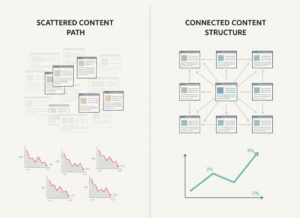
Poor internal linking wastes potential. Pages stay siloed. Trust signals do not spread. Link related posts naturally.
Rushing backlinks invites penalties. Buy nothing. Earn through value. I declined shady offers for years. Clean profiles win. Track your signals monthly. Fix mistakes early. These habits separate lasting sites from flash in the pan projects.
Have you audited your site lately? Common slips hide in plain sight. Address them now. Results follow consistency.
Future of These Signals
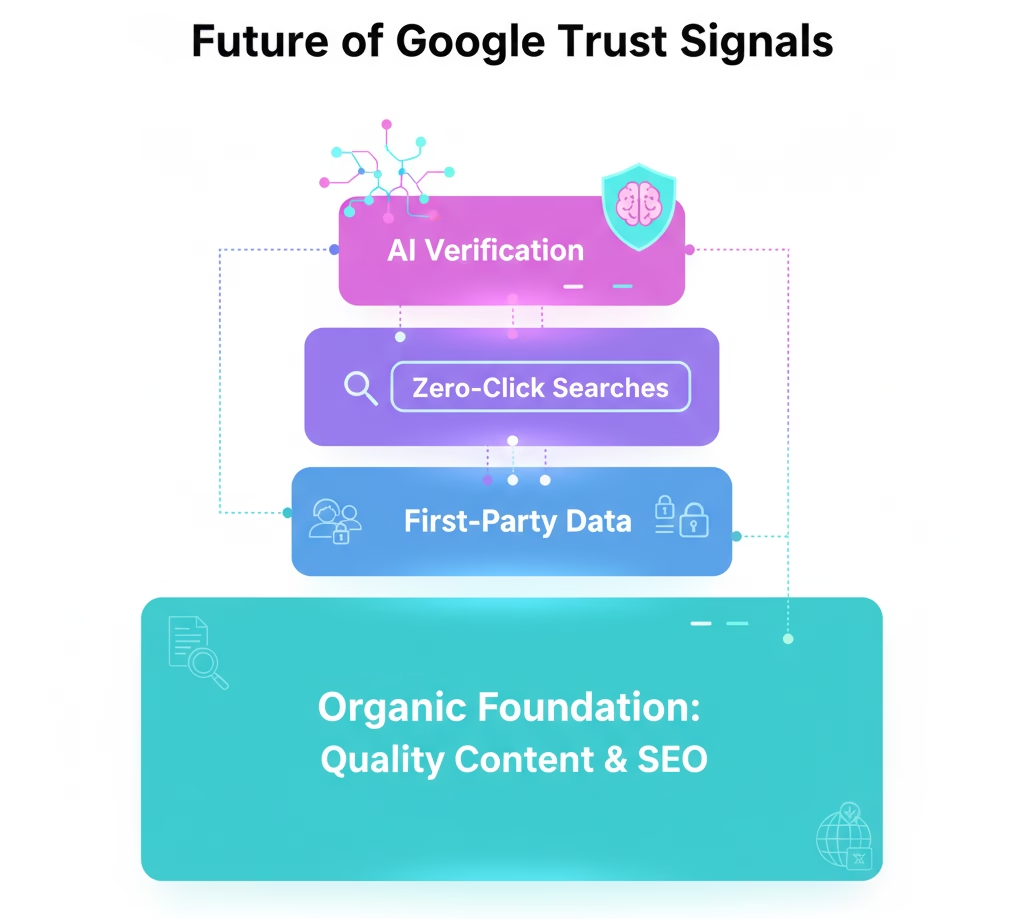
Digital marketing signals evolve with search. By late 2026 AI verification layers in deeper. Google tests tools that check content origins. Human edited pieces stand out. I predict brands with clear authorship rank higher. Start documenting your process now. Simple changelogs prove effort.
Zero-click searches grow too. Featured snippets pull users without visits. Optimize for them with tight answers. Questions drive this format. My clients snag positions by matching voice search patterns. Tools like AnswerThePublic spot opportunities.
Privacy focus shifts signals. Cookie less tracking favors first party data. Build email lists ethically. Loyal readers signal trust off site. I use ConvertKit for this. Open rates reflect engagement. Google correlates it indirectly.
External experts agree. Backlinko covers 2026 ranking trends well. Moz explains E-E-A-T updates thoroughly too. Stay informed. Adapt yearly.
No magic fixes ahead. Steady signals endure. Tech creators thrive by watching shifts early. Layer what works today. Test tomorrow’s changes small. Your site stays resilient.
FAQ
What counts as a strong digital marketing signal?
Quality backlinks user engagement and fast load times top the list. They prove value to Google and readers. Start with content that answers real needs.
How long until trust signals boost rankings?
Expect three to six months for steady gains. Crawl cycles take time. Track weekly in Search Console. Consistency speeds it up.
Can small sites build Google trust?
Absolutely. Focus on niche depth. One focused post outperforms scattered ones. I saw a student site outrank giants this way.
Do social shares directly help SEO?
Not directly but they amplify signals. Shares build backlinks and dwell time. Real buzz spreads authority naturally.
How do I fix weak Core Web Vitals?
Test with PageSpeed Insights. Compress images. Use lazy loading. Retest after each tweak. Aim for green scores across devices.
Are author bios worth the effort?
Yes. They boost E-E-A-T fast. Link credentials to posts. Readers trust named experts more. Rankings follow user signals.
What if my traffic drops despite signals?
Audit for technical issues. Check index coverage. Update stale content. Sometimes algorithm tweaks pass. Double down on quality.
Conclusion
Digital marketing signals shape lasting success. I have watched them turn struggling blogs into authority hubs over 15 years. Start with one change today. Audit your content. Add proof. Link smartly. Trust compounds quietly but powerfully.
Your site deserves top spots. Build signals that earn them. Tech creators who act now lead tomorrow’s rankings. Take that first step. Watch your brand grow. Questions in comments always welcome.