Introduction
When I first started blogging, I treated each post like a one time publication. I would write something, publish it, and then move on to the next topic. Traffic would spike briefly, then fade, and I would repeat the cycle. Over time I realized I was building a content treadmill, not a digital marketing system. The difference is subtle but huge.
A blog post can be more than a single piece of content. It can be a marketing asset, something that keeps working, compounding value over months and years. Once I started thinking about blog content this way, everything changed. I stopped chasing short term traffic and started building a library of content that supported every part of my marketing strategy.
In this article, I want to share how I use blog content as a digital marketing asset. I will explain the mindset shift, the structure that makes content valuable, and the practical steps that turn ordinary posts into a marketing system that grows over time.
Blog Content vs Traditional Digital Marketing Content
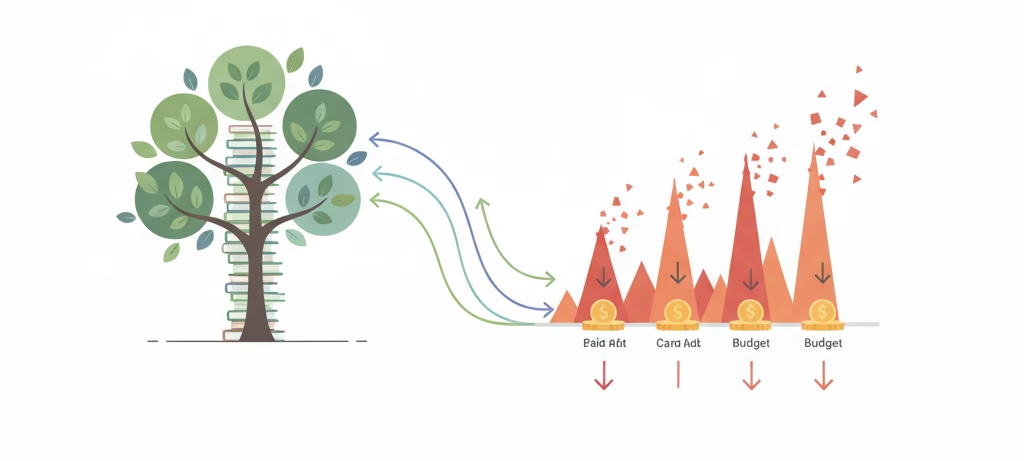
Most people think digital marketing means ads, social posts, or landing pages. These are important, but they behave differently than blog content. A social post is temporary. A landing page is designed for a specific conversion. An ad is paid and stops working when the budget ends.
Blog content is different because it is search driven. People find it when they are actively looking for answers. That means the content stays useful long after publication. A well written blog post can attract new readers every week, even years later. It can be referenced, shared, and reused in other marketing channels without extra cost.
When I compare blog content to traditional digital marketing content, I see a few clear differences:
- Blog content compounds value
An ad campaign stops when the budget ends. A blog post can keep generating traffic and leads without additional investment. - Blog content builds trust naturally
When a reader finds a helpful post, they begin to see the author as knowledgeable. That trust is hard to build with ads because ads are designed to persuade quickly. - Blog content is owned media
Social platforms are rented space. You do not control the algorithm. Blog content lives on your website, under your rules.
This is why I call blog content a digital marketing asset. It is not just content. It is an investment that grows over time.
Why Blog Content Works as a Long Term Asset
If you want a digital marketing strategy that lasts, blog content is one of the best tools available. It works because it matches the way people learn and make decisions online. Most buying decisions start with questions. When people search, they are looking for answers, not advertisements. That is why blogs fit naturally into the customer journey.
I think of blog content as a long term digital asset. A single post can do several things at once:
- Attract new visitors
- Build trust
- Answer questions
- Guide readers to deeper content
- Support conversions later
When a blog post is structured correctly, it becomes a pillar in your marketing system. It does not just bring traffic. It shapes perception. It creates trust. It builds authority.
One of the biggest benefits of blog content is that it is evergreen. Evergreen means the content remains useful for a long time. Not every post will be evergreen, but many can be. For example, a post explaining a core concept, a process, or a strategy can remain relevant for years.
I have seen this repeatedly in my own work. A post I wrote years ago still brings steady traffic because it answers a question people keep searching for. That kind of long term performance is rare in other marketing channels.
Blog content also supports brand memory. When readers repeatedly find helpful content from the same source, they start remembering the brand. They do not just remember a single post. They remember the website as a place where they can find reliable answers. That is a powerful marketing advantage.
Turning Blog Posts Into a Digital Marketing System
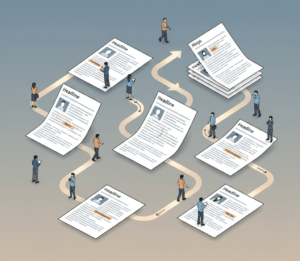
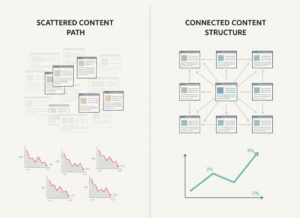
The real power of blog content appears when you stop treating posts as isolated pages and start treating them as interconnected assets. This is where many bloggers fail. They write posts without thinking about how the content fits together.
A digital marketing system built on blog content needs structure. It needs to guide users naturally from one topic to the next. It needs to answer questions in layers, so readers can go deeper when they want.
Here are the main building blocks I use to turn blog posts into a marketing system.
Content That Supports Funnels Naturally
A blog post does not need to sell directly to be effective. In fact, the most effective posts often do not sell at all. They educate. They build trust. They show expertise. That is how they support the funnel.
A simple example is a post that explains a problem and the common solutions. It does not push a product. Instead, it helps the reader understand the landscape. That makes the reader more likely to trust future recommendations.
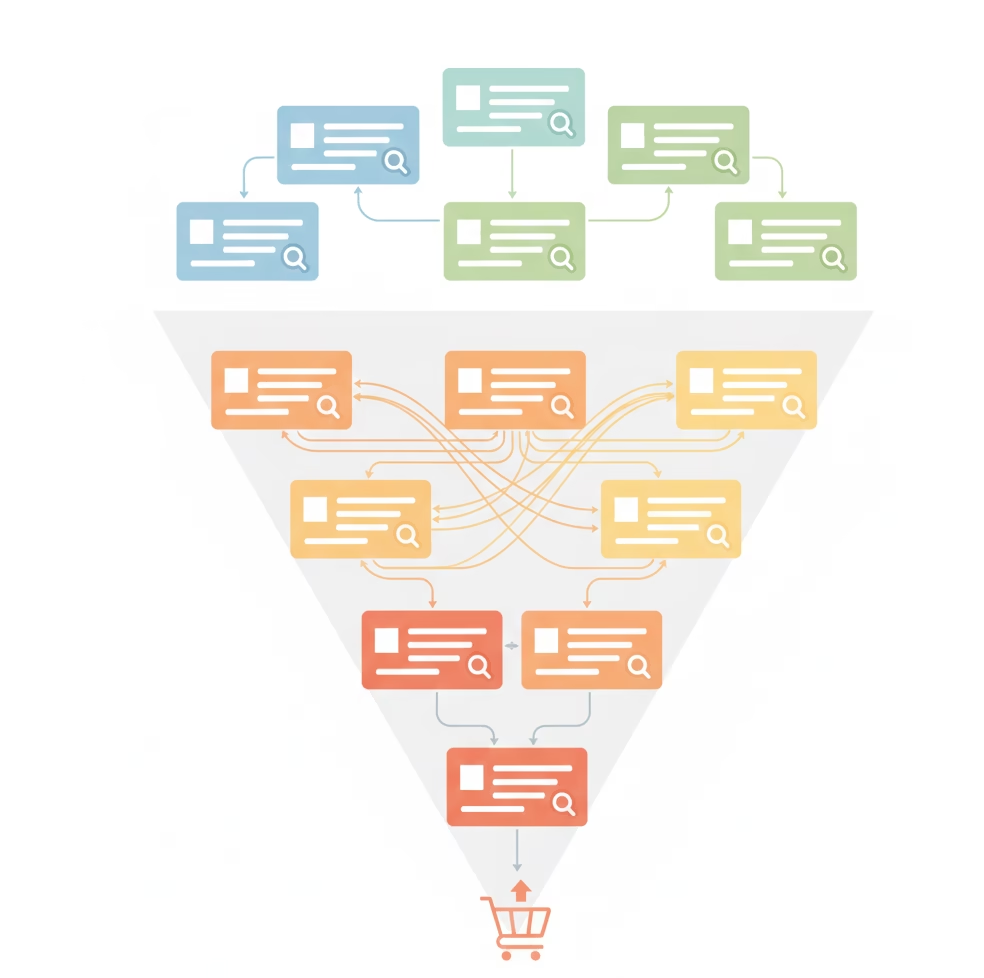
When I write posts, I often aim for three funnel levels:
- Awareness level
These posts answer broad questions and help readers understand a topic. - Consideration level
These posts compare methods or tools and help readers evaluate options. - Decision level
These posts explain how to choose or implement a specific solution.
When content exists at each level, the blog becomes a system that supports the reader through the entire journey. That is how blog content becomes a marketing asset.
Internal Linking as a Marketing Signal
Internal linking is not just for SEO. It is a user experience tool. When readers find related posts easily, they stay longer and learn more. That increases trust and improves engagement. Explore Why Internal Linking Is the Backbone of Digital Marketing SEO for better understanding.
When I build internal links, I do it intentionally. I connect posts that belong to the same topic cluster. This creates a natural path for readers to follow. It also signals to search engines that the content is related and organized.
For example, when a reader is learning a basic concept, I link them to a deeper article that explains the next step. This way, the blog acts like a guided learning path rather than a random list of posts.
A well connected blog becomes a strong digital marketing system because each post supports others. Instead of one page performing alone, the entire cluster performs as a group.
This is why internal linking is not optional when you want blog content to act as an asset.
Blog Content That Strengthens Brand Recall
Brand recall is not just about logos and slogans. It is about consistent exposure to useful information. When a reader repeatedly sees helpful content from the same source, they start to remember the website as a reliable resource.
I have seen this in my own experience. When I publish consistent, helpful posts, people begin to recognize my brand even when they encounter it through search or social shares.
That recognition matters. It increases trust and makes future recommendations more effective. That is the true value of blog content as a digital marketing asset.
Using Blog Content Beyond Search Traffic
Many creators think blog content is only for search. But a blog post can be used across multiple marketing channels. When you treat content as an asset, you start reusing it in smart ways.
Here are some practical ways to use blog content beyond search traffic.
Email Newsletters Powered by Blog Posts
Email is one of the strongest marketing channels because it is owned. You control the list and the message. Blog posts provide ready made content for newsletters. A single post can become a weekly email topic.
When I send newsletters, I rarely write new content from scratch. Instead, I repurpose blog posts into shorter email formats. This saves time and keeps the content consistent.
Email also helps the blog content continue to perform. A newsletter can bring new visitors to older posts, which increases the post’s lifespan and value.
Reference Content for Social Sharing
Social media is not a reliable long term traffic source, but it is useful for exposure. Blog content gives you high quality material to share without repeating yourself.
A well written post can be shared multiple times over months. Each time it reaches new people. If the post is valuable, it continues to attract readers and build trust.
The key is not to treat social as a primary driver. Treat it as a channel that amplifies the blog asset.
Supporting Pages for Ads and Outreach
If you ever run ads or do outreach, blog posts are excellent landing content. They provide context and trust before asking for conversion. A good post reduces friction because the reader already understands the topic.
I have used blog posts to support campaigns and partnerships. When a blog post explains the value clearly, it becomes a reference point that supports the entire campaign.
This is one of the most overlooked benefits of blog content. A post can support multiple marketing efforts without additional work.
Measuring Blog Content as a Marketing Asset
One reason bloggers fail to treat content as an asset is that they focus only on traffic. Traffic is important, but it does not tell the whole story.
When I measure blog content as a digital marketing asset, I look beyond traffic. I look for signs that the content is helping the business or brand over time.
Here are the metrics that matter most to me:
- Session depth and internal clicks
This shows whether readers are exploring more content and staying engaged. - Assisted conversions
This means the content helped the reader before they converted. A post can influence decisions even if it is not the final conversion point. - Returning users
If people come back, the content is becoming a trusted resource. - Content lifespan performance
Some posts grow over time. If a post continues to attract traffic and engagement months after publishing, it is an asset.
This measurement approach changes how you think about content. Instead of chasing short term traffic spikes, you focus on long term value and sustainability.
Common Mistakes That Stop Blogs From Becoming Assets
When I look at blogs that never grow beyond a few posts, the problem is rarely writing quality. It is usually a mindset problem. People treat blogging like a task list instead of a marketing system. They publish and move on, expecting content to magically become valuable.
Here are the real mistakes I see most often, explained with practical context and how they damage long term growth.
Mistake 1: Writing Posts Without a Clear Topic Connection
Many bloggers write whatever comes to mind. They might write about a tool, then about a concept, then about a news update. Each post is good on its own, but there is no connection between them. Read AI Prompt Systems for Writing Helpful Tech Content in 2026.
When content is disconnected, the blog does not form a strong topic cluster. Search engines struggle to understand what the site is about, and users do not have a clear path to follow. Instead of staying on the site, readers leave after one post.
A blog becomes an asset when content forms a network. When posts are connected, each one supports the others. It is like building a library instead of a random collection of articles.
Mistake 2: Ignoring Internal Linking
Internal linking is often seen as an SEO trick, but it is actually a user experience strategy. If you do not guide the reader, they will not know where to go next. That reduces session time and reduces the value of your content.
A strong internal linking system creates a guided learning path. It helps readers move from basic to advanced topics naturally. It also improves the chance that they will return, because they know the blog has depth.
I see many blogs with great content but no internal links. That content stays isolated. It never becomes part of a larger system. That is why internal linking is essential if you want your blog to be a marketing asset.
Mistake 3: Writing for Trends Instead of Intent
Trends can bring fast traffic, but they rarely become long term assets. Trend based content is usually shallow because it focuses on what is new, not what is useful. Once the trend fades, the post loses value.
Asset content is built on search intent. It answers questions that people keep asking. These are the topics that remain valuable for months and years.
When you write for intent, you create content that stays relevant. It is not flashy, but it is reliable. Over time, reliable content builds trust and becomes a foundation for your marketing strategy.
Mistake 4: Treating Blog Posts as One Time Content
A blog post is not a final product. It is a living asset. Most bloggers publish and forget. They never revisit the post to update, improve, or expand it.
Over time, content becomes outdated. Tools change, strategies evolve, and readers expect more depth. When content is not updated, it loses trust and drops in performance.
The most successful blogs are those that revisit older posts regularly. They update information, add new examples, and improve structure. This keeps the content relevant and increases its long term value.
Mistake 5: Focusing Only on Traffic
Traffic is a vanity metric if it does not lead to engagement or conversions. Many bloggers celebrate a traffic spike, but they ignore whether readers stay, click, or return.
A blog becomes an asset when content leads to real outcomes. Outcomes can be email subscribers, return visitors, or conversions. If content only attracts one time visitors, it is not acting as a marketing asset.
When I evaluate content, I look at engagement signals. I ask whether readers are exploring other posts, subscribing, or returning. These signals show that the content is building a relationship, not just generating a momentary visit.

Practical Steps to Build Asset Driven Blog Content
Now that we understand what stops blogs from becoming assets, let us talk about how to build content that actually behaves like an asset. These steps are practical and easy to apply even if you are starting from scratch.
Step 1: Choose Topics With Long Term Value
The best asset content is built on questions people keep asking. These topics remain relevant over time. They may not be the most exciting, but they are the most valuable.
When I choose topics, I look for:
- Evergreen questions
- Core concepts
- Processes that remain stable
- Problems that do not disappear
A good topic is one that people will search for again and again. That is how content becomes a long term asset.
Step 2: Write With Intent and Structure
Writing for intent means you understand why the reader is searching. You must answer their question completely and clearly. If a reader leaves with the same question still unanswered, the content fails.
I use a simple structure to ensure clarity:
- Explain the concept
- Show real examples
- Provide actionable steps
- Offer next level resources
This structure works because it helps the reader understand, apply, and explore further. That is how content becomes a system, not just a page.
Step 3: Build Topic Clusters
A topic cluster is a group of related posts that support each other. The cluster has one core pillar and several supporting posts. Each supporting post links to the core pillar and to other related posts.
This is where internal linking becomes powerful. When content is clustered properly, the blog starts behaving like a guided learning resource. Readers can move deeper into the topic without confusion.
A strong topic cluster is one of the clearest signs that a blog is becoming a marketing asset.
Step 4: Update Posts Instead of Replacing Them
If a post is performing, do not delete it. Update it. Improve it. Add new examples. Make it more detailed. Fix outdated information. Add new internal links.
When you update a post, you keep the value it already has while increasing its relevance. This is one of the easiest ways to turn content into a long term asset.
Step 5: Use Blog Content Across Channels
A blog post should not live only on your website. It should support other channels.
For example:
- Convert the post into an email series
- Use sections of the post as social media content
- Use the post as a reference in outreach or partnerships
This is how blog content becomes a true marketing asset. It multiplies your effort instead of being a single use item.
Future Considerations for Blog Based Digital Marketing
The digital landscape changes, but the value of owned content remains strong. The future may bring new discovery methods, new AI search behaviors, and new user expectations. But one thing will remain constant: people will continue to look for answers.
The real future challenge is not the platform. It is the ability to create content that remains useful, trustworthy, and well structured. That is what makes blog content a durable asset.
Here are a few realistic future considerations:
- Search behavior will keep evolving
People will ask more complex questions. Content must become more detailed and structured. - AI driven summaries will become common
This means content must be more helpful and unique, not just repeating the same ideas. - Competition will increase
More creators will realize the value of long term content. The advantage will go to those who build strong systems.
If you build your blog as a marketing asset now, you will be ahead when the future arrives.
FAQ
What makes blog content a digital marketing asset?
Blog content becomes an asset when it continues to attract, educate, and build trust over time. It supports multiple channels and improves with updates.
How long does blog content take to show results?
Results vary, but asset content often grows slowly. It may take weeks or months to gain momentum, but the value compounds over time.
Can small blogs use this strategy effectively?
Yes. Small blogs benefit most because they can build deep trust and avoid expensive paid marketing. The key is consistency and structure.
Does blog content still work without social media?
Yes. Blog content can succeed with search alone. Social media can amplify content, but it is not required.
How often should asset content be updated?
A good rule is to review top performing posts every 3 to 6 months. Update them when information changes or when you can add more value.
Is blog content useful for monetization later?
Absolutely. Asset content creates trust, and trust converts better. It supports ads, affiliate marketing, services, and product launches.
Conclusion
Using blog content as a digital marketing asset is not a strategy. It is a mindset shift. It changes how you choose topics, write posts, and measure success. It turns the blog from a publication platform into a marketing system.
When I started treating my content as an asset, I stopped chasing quick wins. I built a content library that supports long term growth. The results were not immediate, but they were lasting.
If you want sustainable digital marketing, build your blog like a library, not a list. Create content that connects, educates, and improves over time. That is how you turn blog posts into real marketing assets.