Table of Contents
When I first started monetizing content sites with AdSense, I believed traffic was the main lever. More visitors should mean more income. That idea sounds logical, and many beginners stop there. Over time, I noticed something that did not fit this logic. Two sites with similar traffic behaved very differently in earnings. One earned steadily and the other struggled, even with more visitors.
The difference was not ad placement or niche selection. It was how users moved inside the site. Internal linking quietly shaped reading paths, attention, and trust. Once I understood this, my focus shifted from publishing more pages to connecting existing ones better. That shift alone improved page RPM and session duration without changing traffic sources.
Have you ever seen traffic grow while earnings remain flat? That is often a sign of poor internal flow rather than weak content.
Understanding Page RPM and Session Duration in Content Sites
What Page RPM Actually Measures
Page RPM means revenue per thousand pageviews. It tells you how much money your content earns relative to how often pages are loaded. Many bloggers confuse RPM with traffic quality, but RPM reflects behavior more than volume.
When a user views only one page and leaves quickly, ad exposure is limited. When a user moves naturally through multiple pages, ad impressions increase. That change alone can raise RPM even if traffic stays the same.
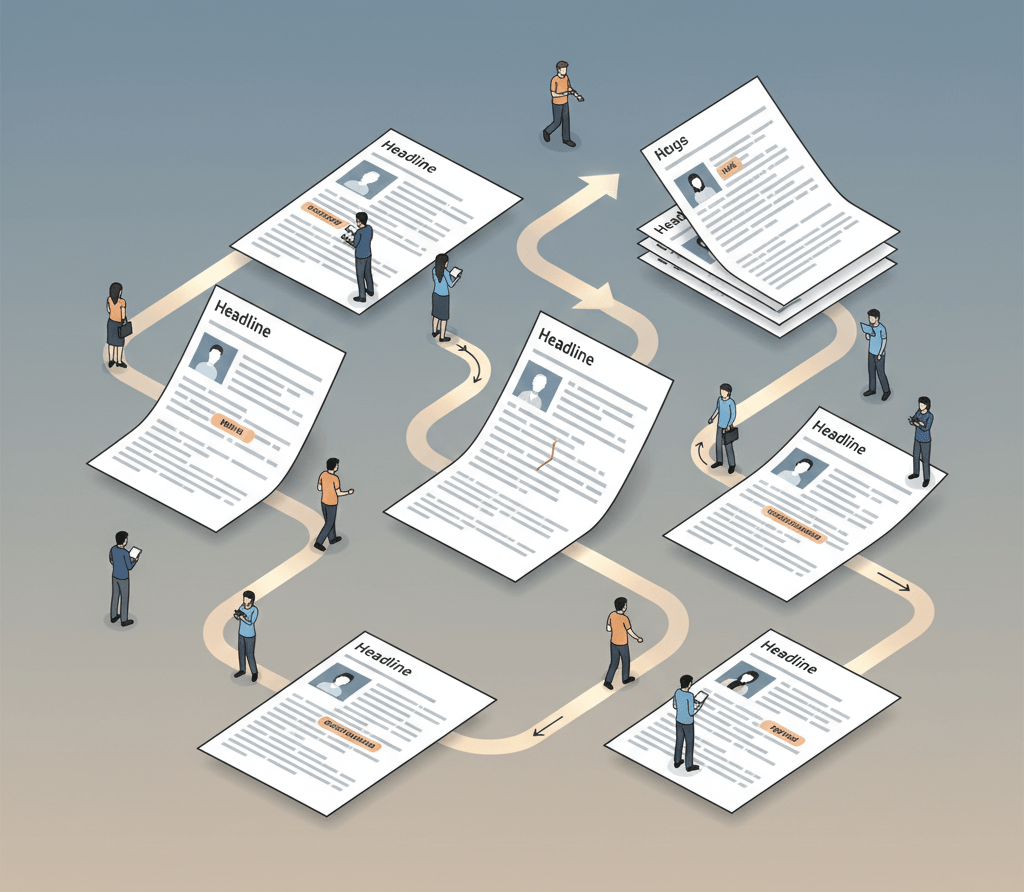
In my experience, RPM grows when content feels connected. Users who understand where to go next stay longer and load more pages. Internal links make that possible without aggressive tactics.
Why Session Duration Matters for AdSense and Trust
Session duration measures how long a visitor stays on your site. It is a simple signal, but it carries weight. Longer sessions mean users are engaged, comfortable, and finding value.
For AdSense, longer sessions increase the chance that ads are seen naturally. There is no forcing or manipulation involved. Google also associates longer engagement with helpful content. That trust reflects back into visibility and earnings over time.
When I reviewed analytics across multiple sites, the pattern was clear. Pages with thoughtful internal links consistently produced longer sessions and better RPM.
How Users Actually Navigate Content Driven Websites
Real Reading Behavior on Blogs
Most readers do not land on a page with the intention of leaving immediately. They skim, scroll, and decide within seconds whether to continue. If nothing guides them forward, they exit.
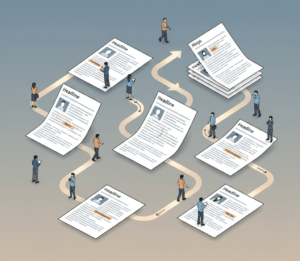
I have watched session recordings and heatmaps across tech and earning blogs. Readers rarely go to category pages or menus. They follow curiosity. A relevant sentence link often performs better than a sidebar or footer block. This is where internal linking shifts from SEO theory to user psychology. A link placed at the right moment answers an unspoken question and invites continuation.
Internal Links as Navigation Signals
Internal links are not just for crawlers. They are signals that tell readers where depth exists. When links are placed naturally, they reduce friction.
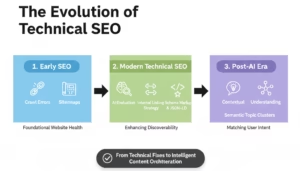
Search engines also read these signals. Clear relationships between pages help them understand topical structure. This becomes especially important when building authority around online earning.
For a deeper view on how internal linking works as a system rather than isolated links, exploring how internal linking becomes a core part of long term earning assets can help connect the dots with broader monetization strategy.

The Direct Relationship Between Internal Linking and Session Duration
How Contextual Links Encourage Deeper Reading
Contextual links appear inside paragraphs where relevance is obvious. They feel helpful rather than promotional. This is where session duration grows naturally.
When a reader finishes a thought and sees a clear next step, they click without hesitation. Over time, this creates reading momentum. Each additional page strengthens engagement and trust. I have tested related posts widgets versus contextual links repeatedly. The difference is not subtle. Contextual links consistently win because they respect attention instead of interrupting it.
Reducing Bounce Rate Without Manipulation
Bounce rate simply means a user left after viewing one page. High bounce rates often signal confusion or lack of direction.
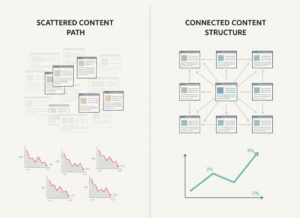
Internal linking reduces bounce rate by offering clarity. The reader does not feel trapped or sold to. They feel guided. That guidance improves session quality without popups or forced interstitials. If you want to understand how this ties into treating content as a long term earning system, reading about turning blog traffic into long term digital assets adds important perspective.
How Internal Linking Improves Page RPM Over Time
More Pages Per Session Means More Ad Impressions
This is where earnings shift noticeably. Each_tf extra pageview creates another opportunity for ads to load. Even a small increase in pages per session can change monthly revenue.
For example, moving from one point two pages per session to two pages per session can nearly double impressions without adding traffic. That improvement often comes from better internal links rather than new content.
The key is relevance. Links must feel like a continuation, not a distraction.
Better Ad Placement Exposure Through Flow
Ads perform better when users are relaxed and engaged. Internal linking creates a smooth flow that keeps attention steady.
When readers move through content willingly, ads appear as part of the environment rather than interruptions. This improves viewability and interaction rates, which directly influences RPM. I have seen RPM increase simply by adjusting internal links in older posts. No design changes. No ad density changes. Just better flow.

Internal Linking Structures That Actually Work
Contextual In Content Links
The most effective internal links live inside the content itself. They appear where the reader naturally wants more detail or a deeper explanation. These links do not interrupt the reading experience. They extend it. When I place a link, I ask a simple question. Does this sentence create curiosity that another page can answer better. If the answer is yes, the link belongs there. If not, I leave it out.
Contextual links also help search engines understand relevance. When multiple pages reference each other naturally, they form a topical relationship. Over time, this strengthens authority and improves discoverability. If you want to see how this approach supports earnings beyond traffic numbers, reviewing how internal linking helps increase AdSense RPM through better session flow can provide additional clarity.
Hub and Supporting Content Model
A hub page covers a topic broadly. Supporting pages go deeper into specific areas. Internal links connect them both ways. This structure works especially well for online earning sites. When readers land on a supporting article, the hub gives them context. When they start at the hub, supporting pages provide depth. This back and forth movement increases session duration naturally.
I use this model for monetization focused topics because it allows older content to keep earning. The hub keeps traffic circulating instead of letting it leak out. This approach aligns closely with building passive income using evergreen tech content, where structure matters as much as publishing frequency.
Common Internal Linking Mistakes That Hurt Page RPM
Overlinking and Reader Fatigue
More links do not mean better results. Too many links create noise. Readers hesitate when every sentence feels clickable. That hesitation often leads to exits.
I aim for clarity over density. Each link should have a reason to exist. When links compete for attention, none of them perform well. A clean reading experience keeps users comfortable. Comfort leads to longer sessions, which supports RPM growth.
Linking Without Intent
Random links hurt trust. If a link does not match the promise of the sentence, readers feel misled. That breaks momentum instantly.
Internal linking should always serve the reader first. SEO benefits follow naturally when intent is respected. When auditing old content, I remove links that no longer fit context. That simple cleanup often improves engagement metrics without adding anything new.
Internal Linking and Long Term Online Earning Stability
Why Internal Links Compound Value
Internal linking compounds because it keeps content alive. New articles breathe life into old ones. Old articles support new ones. This cycle strengthens the entire site. Unlike social traffic spikes, internal traffic is stable. It grows quietly over time. That stability matters when income depends on consistency.
This is why I treat internal links as part of the earning system, not an SEO task. They help turn posts into assets. To understand this mindset shift better, exploring how blog traffic becomes a long term digital asset adds valuable context.
Supporting Sustainable Monetization Without More Content
Publishing less but connecting better is often the smarter move. Internal linking allows earnings to grow without increasing workload.
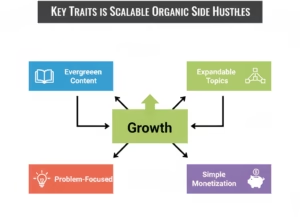
For solo creators and small teams, this matters. Time and energy are limited. Internal links help existing content perform beyond its original reach. This is one of the reasons content based earning remains safer than trend driven side hustles. Structure protects income.

How Internal Linking Supports AdSense Safe Growth
Aligning With Google Quality Signals
Google prioritizes helpful content that keeps users engaged. Internal linking supports this by improving understanding and navigation.
There are no tricks involved. No forced clicks. No misleading paths. Just clear guidance. That alignment makes internal linking future proof. Sites that focus on user experience tend to weather algorithm changes better. Internal linking plays a quiet but important role in that resilience.
Improving User Experience Without Pressure
Internal links work because they respect choice. The reader decides whether to continue. That freedom builds trust.
Trust increases time on site. Time on site improves ad performance. This chain reaction supports RPM growth without aggressive monetization. For bloggers aiming to grow safely, this approach pairs well with monetizing tech blogs without overwhelming readers through excessive ads or affiliates.
Practical Internal Linking Checklist for Bloggers
• Add links while writing, not as an afterthought
• Place links where curiosity naturally appears
• Limit links to only what adds value
• Update older posts when new content is published
• Review analytics to see which links get clicks
Each of these steps is simple but effective. Consistency matters more than perfection.
Frequently Asked Questions
How many internal links should a blog post have?
There is no fixed number. Focus on relevance. A few well placed links outperform many weak ones.
Can internal linking really increase AdSense earnings?
Yes. By increasing pages per session and improving engagement, internal linking directly supports higher RPM.
Does internal linking help new blogs?
Absolutely. It helps search engines understand structure and helps users explore content without confusion.
Should I link old posts to new ones?
Yes. Linking both ways strengthens topical relationships and keeps older content active.
Can internal linking replace publishing new content?
It cannot replace content creation completely, but it can reduce how often you need to publish to grow earnings.
Conclusion
Internal linking is not a shortcut. It is a system. When used thoughtfully, it shapes how users experience your site and how revenue grows over time.
I have seen RPM improve and sessions lengthen without adding traffic, ads, or new pages. The only change was connection. Pages stopped standing alone and started working together. If you want sustainable online earning, start with what you already have. Review your content. Guide your readers. Let your internal links do the quiet work that compounds results month after month.