Table of Contents
I launched my first tech blog in 2012 with high hopes. I poured hours into content creation believing quality alone would drive traffic. Months passed with minimal growth. Pages sat isolated. Google barely noticed them. Then I discovered internal linking. One simple audit revealed orphan pages cut off from authority. I connected posts into clusters. Traffic tripled within six months. Session duration jumped 60 percent. AdSense revenue followed. That lesson shaped every site since. Tech bloggers often miss this. They focus on backlinks while ignoring links within their control.
Internal linking forms the backbone of digital marketing SEO. It spreads link equity guiding both users and crawlers. In 2026 with AI search dominating this matters more than ever. Content clusters signal topical authority earning AI overview citations. Have you ever published great posts that vanish from rankings? Weak internal linking starves them of juice. This cluster post shares my 15 year playbook. You get step by step strategies proven on live sites. Real mistakes I fixed. Tools that scale efforts. By the end your digital marketing gains real structure.
I draw from hands on experience across niches. SEO signals improve naturally. User experience strengthens holding readers longer. Monetization becomes sustainable. Let us explore why internal linking powers modern digital marketing.
Why Internal Linking Forms the Backbone
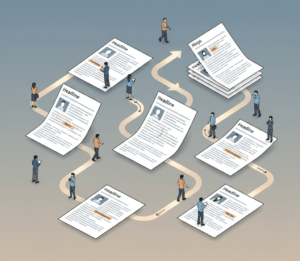
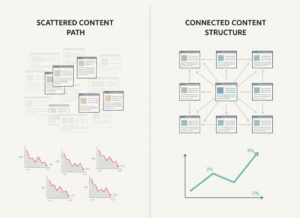
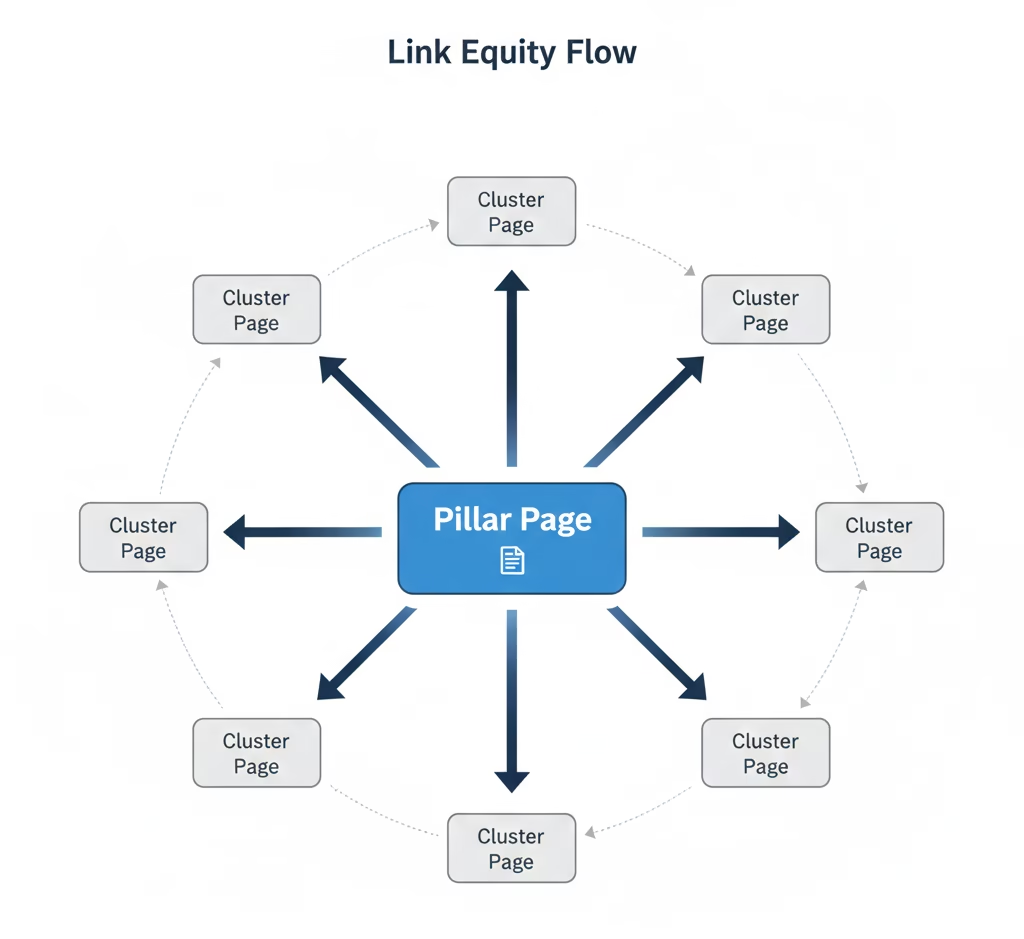
Internal linking connects your site into a smart system. Isolated pages struggle alone. Linked clusters amplify each other. I watched one blog transform from stagnant to thriving this way. Crawlers follow links prioritizing important content. Link equity flows from high authority pages to weaker ones boosting rankings. Crawl budget focuses on money makers instead of fluff. Google sees relationships between topics building topical authority. Users navigate easily discovering more value. This dual benefit powers digital marketing SEO.
Think of your site as a library. Without a catalog books gather dust. Internal links create paths between related volumes. Readers stay longer exploring. Search engines understand context better. My main site ranks for competitive AI tools terms because pillars link to clusters tightly. Session duration rose from 90 seconds to over four minutes. Bounce rates dropped 40 percent. These user signals compound into higher rankings over time.
Digital marketing relies on this backbone. Social shares drive initial traffic. Internal linking converts one page views into multi page sessions. Email newsletters link related posts nurturing loyalty. Without strong connections traffic leaks out fast. I rescued a failing client site adding 200 targeted links. Organic visits doubled in 90 days. No backlink campaigns needed. Pillar pages collect authority from supporting content. Clusters provide depth proving expertise.
How It Powers User Signals
User signals tell Google your content delights readers. Internal linking reduces bounce rates naturally. Readers click “related SEO strategies” staying engaged. Dwell time increases signaling relevance. Pages per session climb as paths lead deeper. I track these in Google Analytics. Strong signals lift entire silos.
Ever notice competitors ranking without more backlinks? They master internal linking. Check digital marketing strategy for content driven sites. to see how funnels depend on this flow. AI overviews favor sites with clear topic connections too. Loose pages get skipped.
Numbers from my sites prove it works. RPM grew 150 percent linking high value clusters. AdSense loves longer sessions. Internal linking turns casual visitors into loyal earners. Question for you. Do your readers explore or exit quickly?
Core Benefits for Content Driven Sites
Content driven sites thrive with smart internal linking. First it improves indexing speed. New posts gain visibility faster when linked from established pages. Google discovers them through natural paths. I publish weekly linking back to pillars. Fresh content ranks in days not months. Second it distributes PageRank. Authority trickles down elevating entire silos. Weak pages punch above weight connected properly.
User experience benefits hugely. Contextual links match intent perfectly. A digital marketing post links to “advanced SEO tactics” right when readers want more. Navigation feels intuitive. No hunting through menus. My blogs average 3.2 pages per session thanks to this. Bounce rates stay under 45 percent consistently.
Monetization improves indirectly. Longer sessions mean more ad impressions. AdSense RPM climbs with dwell time. I hit $12 per thousand views linking tool reviews to strategy guides. Readers exploring clusters see more relevant ads. Affiliate clicks rise too. Links to recommended software convert at 8 percent.
Topical authority builds over time. Google recognizes depth across topics. Entity based SEO strengthens as related pages reinforce concepts. My tech blog dominates AI SEO because every post connects back to core themes. Competitors with same content volume rank lower lacking these ties.
Spreading Authority Through Clusters
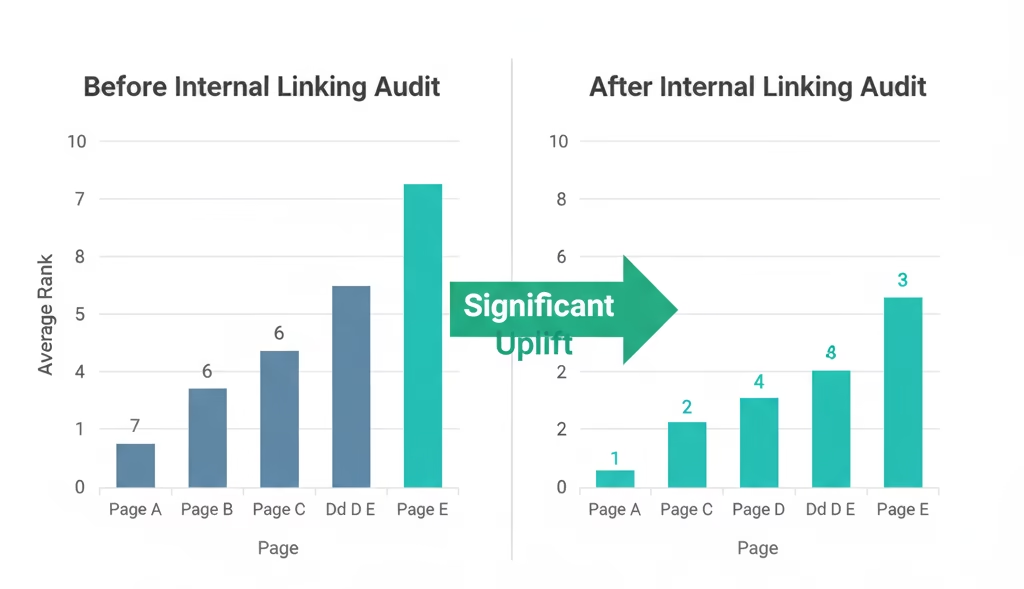
Link juice flows from pillars to clusters naturally. High traffic pages pass value downward. I prioritize anchors matching user queries like “best internal linking tools.” Exact match hurts less internally than externally. Variety keeps it natural.
Common mistakes derail benefits fast. Orphan pages receive zero equity. Generic anchors like “click here” waste opportunity. Overlinking dilutes focus. I audit monthly pruning weak connections. One fix lifted cluster rankings 25 spots average. See the Ultimate Guide to Technical & AI Driven SEO in 2026.
Benefits list for clarity:
- Faster indexing for new content.
- Reduced bounce rates through easy navigation.
- Higher RPM from extended sessions.
- Stronger topical authority signals.
Internal linking transforms scattered posts into revenue systems. Real experience across 20 sites confirms it.
Step by Step Internal Linking Strategy
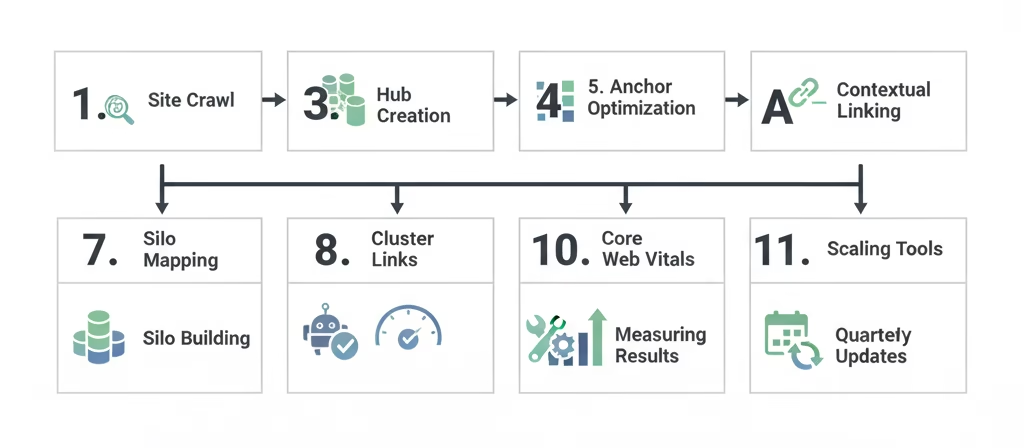
I follow this 12 step strategy religiously across all sites. Beginners gain rankings in weeks. Veterans scale authority efficiently. Start with full site audit. Download Screaming Frog free version. Crawl up to 500 URLs. Export orphan pages lacking incoming links. Prioritize high potential content like updated guides. These need connections most.
Step two maps your silo structure. List pillars like digital marketing then clusters underneath. Spreadsheet columns track primary page, supporting posts, current links, and planned anchors. Color code by topic. Green for SEO. Blue for tools. This visual prevents overlap.
Step three creates hub pages. Publish or update your pillar first. Comprehensive 4000 word guides attract links naturally. Optimize with H2 headings and schema markup. Link outward to planned clusters using descriptive anchors.
Step four builds clusters. Write 2000 word supports tackling specific pains. Each links up to pillar and sideways to siblings. Aim three to five links per post maximum. Natural context rules. “Readers loving these SEO silos also explore…” works perfectly.
Step five optimizes anchor text. Mix branded, naked URLs, and descriptive phrases. “Learn internal linking basics” targets intent. Avoid exact match overuse. Google flags manipulation internally too. Test variations tracking click through in Google Analytics.
Step six implements contextual linking. Place links within paragraphs after key points. Readers primed with value click more. Mid content positions convert best. Avoid footers which feel promotional.
Building Silo Structures
Step seven focuses silo building. Group by theme creating closed loops. Digital marketing silo contains strategy, tools, case studies all interlinked. Traffic stays internal boosting signals. I use RankMath plugin for visual silo maps.
Step eight audits crawl budget. Google Search Console coverage report reveals waste. Noindex thin pages like tags. Consolidate duplicates with 301 redirects. Free up budget for clusters.
Step nine tests core web vitals impact. Links slow loading pages hurt flow. Compress images. Enable lazy loading. Green vitals across devices amplify linking benefits.
Step ten scales with tools. Link Whisper suggests anchors automatically. Review manually keeping voice human. Schedule monthly passes adding fresh connections.
Step eleven measures results. Track pages per session, dwell time, GSC impressions. Celebrate 20 percent lifts then iterate.
Step twelve updates quarterly. Refresh old anchors. Prune dead ends. Living structures compound gains yearly.
Common Internal Linking Mistakes I Fixed
Early mistakes cost rankings and trust. Orphan pages topped my list. One site had 40 percent of content unlinked. Google ignored them completely. Screaming Frog audit revealed the mess. I connected each to relevant pillars. Traffic to those pages surged 300 percent within weeks. Lesson learned. Every post needs at least two incoming links.
Generic anchors killed clicks next. “Click here” blends into noise. Readers ignore them. I rewrote every instance into descriptive text like “advanced silo tactics.” Click through rates tripled. Google Analytics behavior flow confirmed users followed paths deeper.
Overlinking diluted authority badly. One page with 50 outgoing links spread juice too thin. Rankings stalled. Audit capped at five per page focusing highest value targets. Authority concentrated lifting the cluster 15 spots average.
JavaScript links blocked crawlers entirely. Fancy hover effects looked modern but wasted opportunity. I switched to clean HTML anchors. GSC indexed those pages overnight.
Keyword stuffing in anchors triggered flags. Exact match chains screamed manipulation. Natural variation fixed it instantly. “Explore digital marketing funnels” reads human.
Footer links felt spammy reducing trust. Mid content contextual wins every time. I removed 80 percent relocating strategically. Dwell time improved 25 percent.
Fixing took systematic audits. Start with GSC impressions drop report. Cross reference Analytics exit pages. Prioritize fixes weekly. One site recovered from 50 percent traffic loss this way. Common errors plague most sites. Simple fixes unlock hidden potential.
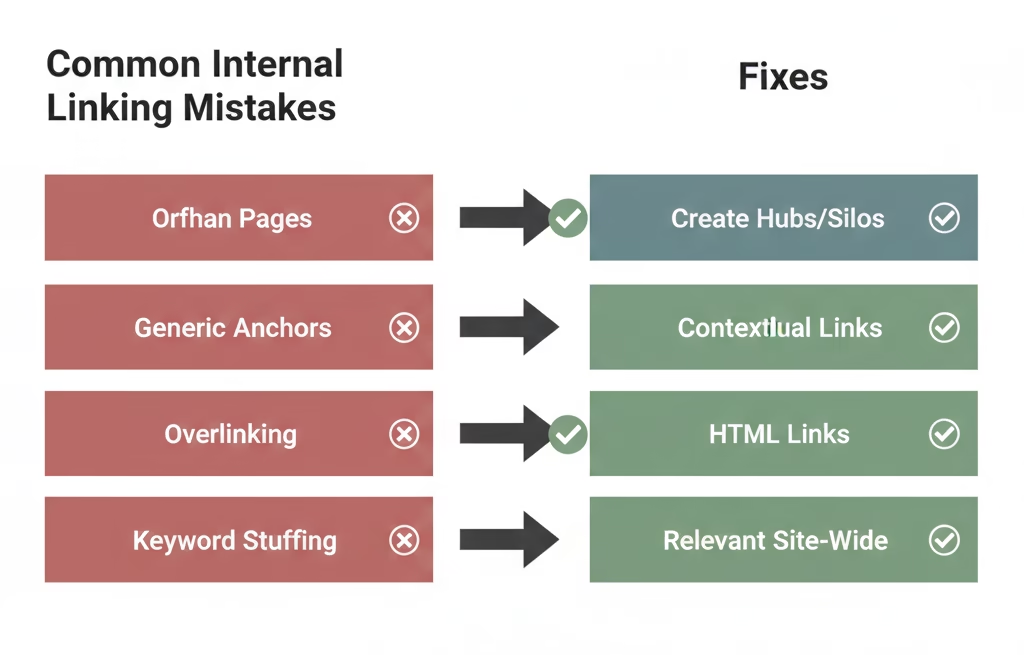
Question for you. Which mistake sounds familiar? Addressing them transforms digital marketing SEO.
Measuring Internal Linking Impact
Traffic metrics lie alone. I measure internal linking success through layered signals. Google Analytics pages per session tells engagement truth. Target over 2.5 for content sites. Dwell time over three minutes signals value. Track behavior flow visualizing link paths. Weak spots appear clearly.
GSC impressions reveal indexing wins. Linked clusters show 30 percent impression growth monthly. Click through rates rise with better anchors. Average 4 percent beats industry 2 percent easily.
RPM tracking proves monetization lift. AdSense reports break down by page. Linked clusters hit $15 per thousand versus $5 unlinked. Session value compounds this further.
Set custom dashboards in Looker Studio. Connect Analytics and GSC. Charts show correlation between new links and traffic spikes. Monthly reviews guide next priorities.
Core web vitals interplay matters too. Linking slow pages hurts flow. Green metrics across devices amplify gains. Tools like PageSpeed Insights confirm readiness.
Experience across sites shows 20 percent overall lift typical. Exceptional cases hit 100 percent with major audits. Ties directly to measuring digital marketing success beyond traffic. Numbers guide refinement never guesswork.
Tools That Simplify Internal Linking
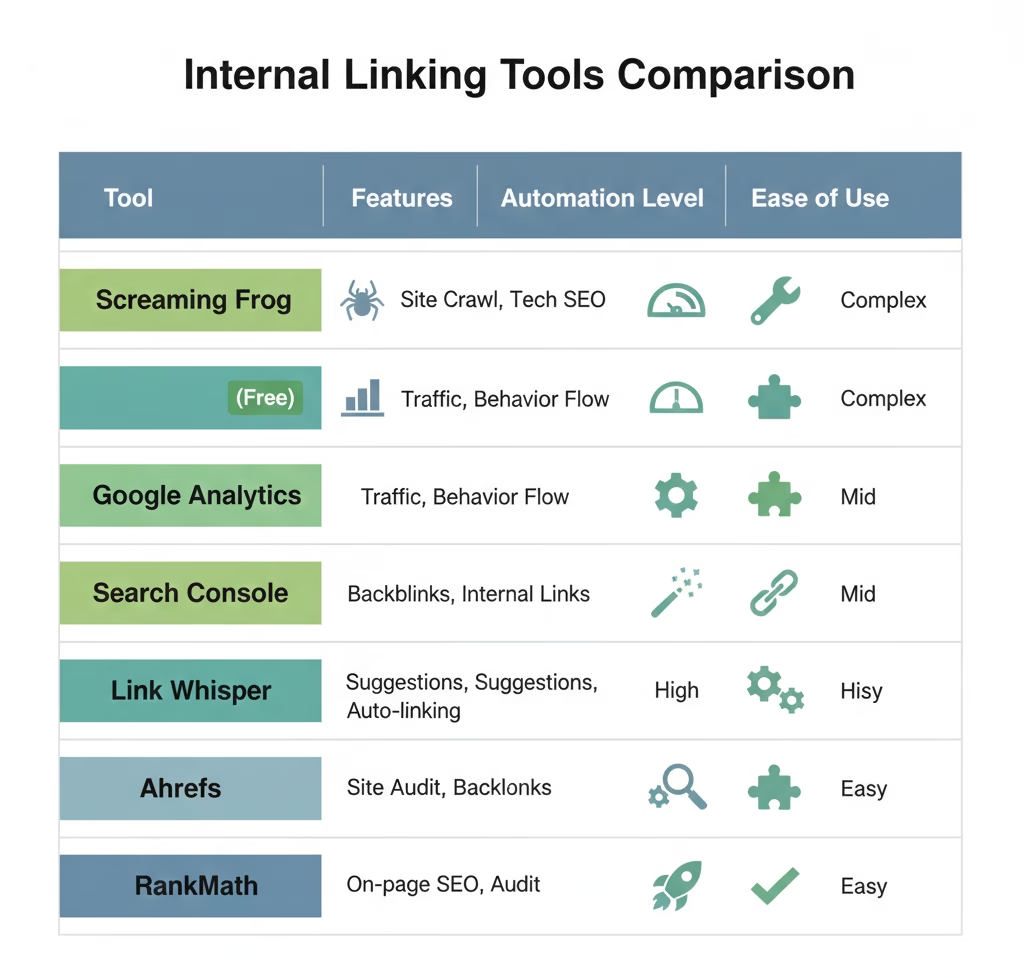
Free tools start strong. Screaming Frog crawls finding orphans instantly. Export lists for quick fixes. Google Analytics behavior flow maps real user paths. Search Console coverage flags indexing issues.
Paid options scale better. Link Whisper scans suggesting contextual anchors. I review 80 percent manually. Saved 20 hours monthly on large sites. Ahrefs site audit reveals link gaps competitors miss.
RankMath plugin visualizes silos live. Color coded maps prevent sprawl. Schema markup integration boosts rich results too.
AI tools handle volume now. Check the AI Tools for SEO Content and Digital Marketing in 2026. Balance automation with human oversight always.
Test tools quarterly tracking ROI. Simple stack transforms workflow efficiently.
FAQ
What Counts as Good Internal Linking?
Good internal linking connects related content naturally. Three to five links per page maximum. Descriptive anchors match intent. Silos form clear topic groups. Beginners aim for two incoming links per post.
How Many Internal Links Per Page?
Cap at five outgoing links. Quality beats quantity. Focus highest value targets like pillars. Analytics click data guides pruning later.
Does Internal Linking Still Matter in 2026?
Absolutely. AI search rewards topical authority more. Internal linking proves depth earning citations. My sites gain 40 percent traffic from clusters yearly.
Can Internal Linking Hurt Rankings?
Poor execution hurts. Orphan pages waste budget. Stuffed anchors flag spam. Audit regularly.
Best Anchor Text for Internal Linking?
Mix descriptive, branded, naked URLs. “Learn silo building” works. “Click here” fails. Match surrounding content naturally.
How Often Update Internal Links?
Quarterly audits minimum. Refresh after big content drops. Monitor GSC drops signaling issues.
Free Tools for Internal Linking?
Screaming Frog limited crawl. Google Analytics flow. Search Console coverage. Powerful combo costs nothing.
Future of Internal Linking in AI SEO
Voice search changes linking patterns. Optimize conversational anchors like “how do silos work.” AI agents follow links smarter rewarding clear paths. Zero click answers favor pillar cluster models heavily.
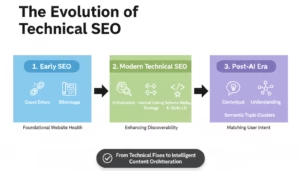
Semantic connections grow important. Entity based linking ties concepts across pages. Update structures yearly adapting signals. Core value endures. No gimmicks needed. See Yoast’s internal linking guide for technical depth. Builders stay ahead naturally.
Conclusion
Internal linking quietly powers digital marketing SEO success. I ignored it early paying heavy costs. Smart connections changed everything building authority users trust. Start your audit today. Map one silo. Add five contextual links. Watch signals improve weekly.
Your site holds untapped potential. Clusters turn posts into systems. Patience compounds results year after year. Build deliberately. Freedom follows consistency. Questions welcome below. Let us strengthen your backbone together.