Table of Contents
I have worked with students, solo bloggers, and first time earners for many years, and one pattern keeps repeating itself. The students who choose SEO skills over shortcuts tend to build income that lasts. Online earning often looks attractive on the surface, yet most methods fail because they depend on trends or constant outreach. SEO based earning works differently. It grows quietly. It compounds over time. It rewards understanding instead of noise.
Many students ask me a simple question. Can SEO really help me earn while studying? The honest answer is yes, but only when expectations are realistic. SEO is not fast money, and that is exactly why it works. It allows students to learn a valuable skill while building assets that keep paying back. Have you ever noticed how certain blogs keep showing up year after year? That is SEO at work.
This article focuses on practical earning models that fit a student’s schedule, budget, and learning curve. No hype. No unrealistic income promises. Just methods that real students use to earn steadily while building long term value.

Understanding SEO as a Monetizable Skill for Students
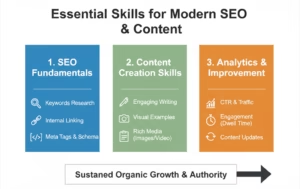
At its core, SEO means helping content appear when people search for answers. For students, this is powerful because it does not require upfront capital or advanced technical knowledge. It requires patience, observation, and consistency.
I always explain SEO to beginners in simple terms. People search. Google tries to show the best answer. SEO helps your content become that answer. Once you understand this, earning models start to make sense.
SEO skills are valuable because they apply across many formats. Blogs. Niche websites. Client projects. Even future jobs. Unlike many online gigs, SEO improves with practice instead of burning out.
Here is what makes SEO especially suitable for students.
• Low financial risk since most learning tools are free
• Flexible time commitment that fits around classes
• Skill compounding where effort today helps tomorrow
• Portfolio building that supports future income
Students often worry about technical complexity. In reality, beginner SEO focuses more on search intent, content clarity, and basic structure than on code. Technical terms like indexing simply mean whether Google can see a page. Crawl budget means how often Google checks a site. These concepts sound heavy but behave logically once you work with them.
Understanding this foundation prepares students for realistic earning paths instead of scattered experiments.
Why SEO Based Online Earning Is More Sustainable Than Gigs
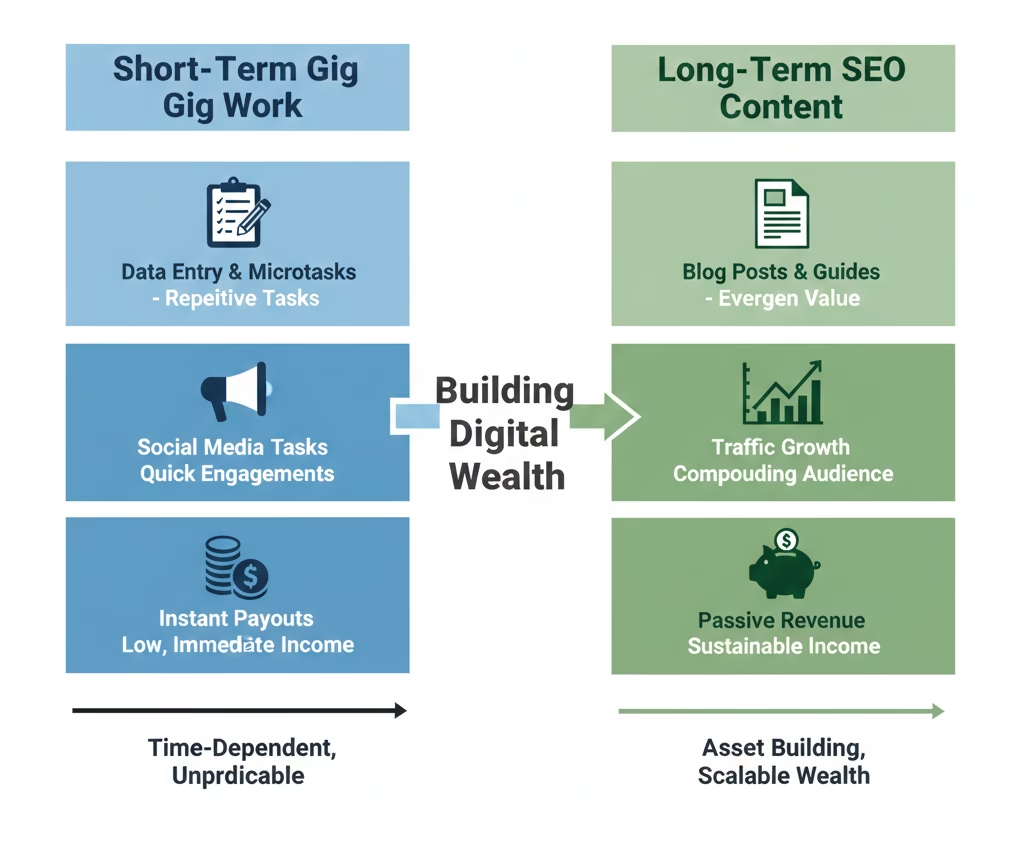
Most students start online earning with short term gigs. Writing tasks. Data entry. Social posting. These can help initially, but they stop paying the moment you stop working. SEO based earning builds something different. It creates assets.
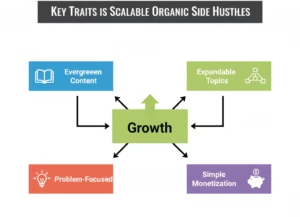
When you publish a well optimized article, it can bring traffic for months or years. That traffic can earn through ads, services, or products without daily effort. This is why I often recommend SEO to students who want stability.
There is also a trust factor. Sites built with proper SEO tend to gain authority over time. This makes future content rank faster. Gigs never compound in this way.
I have seen many students burn out chasing quick income ideas. Those who stick with SEO usually shift their mindset. They stop asking how fast can I earn and start asking how can I build something useful.
SEO also integrates well with larger systems. For example, strong internal linking improves session time and monetization. This is explained clearly in increasing AdSense RPM with better internal linking, which shows how structure directly affects revenue.
Sustainability matters because students already manage academic pressure. SEO respects limited energy when done properly.
Content Based Online Earning Models Using SEO
Starting a Niche Blog With Low Competition Topics
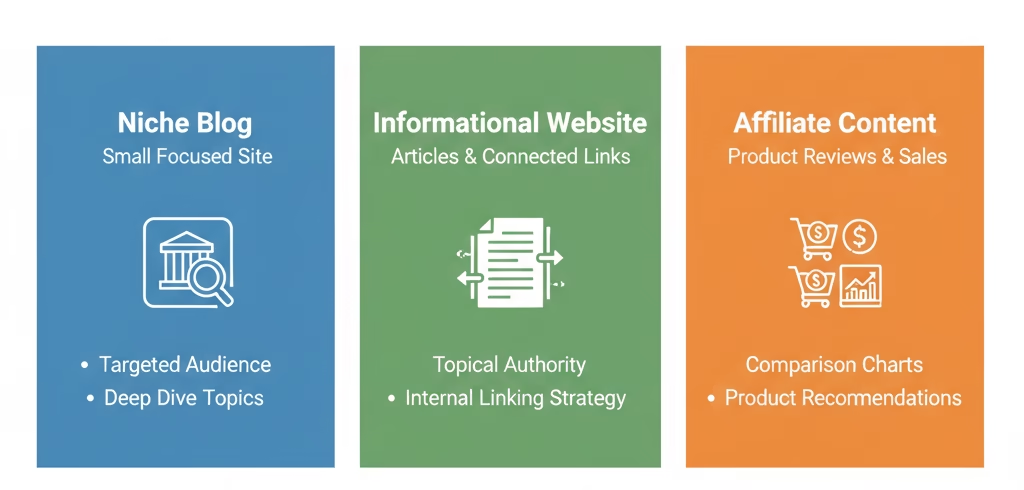
One of the most realistic entry points for students is a small niche blog. Not a massive website. Not a lifestyle brand. Just a focused topic with real questions people search for.
I always suggest starting narrow. A specific tool category. A study related problem. A simple informational niche. This reduces competition and builds confidence faster.
The process usually looks like this.
• Identify questions people search using free tools
• Write clear helpful content that answers one question at a time
• Optimize basic on page elements like headings and internal links
• Publish consistently without chasing perfection
Monetization comes later through display ads or educational affiliate links. This model aligns well with AdSense approval, especially when content is informational and clean. Students can learn more about building such sites by understanding how trust signals matter, which is discussed in SEO signals that help with AdSense approval.
This approach teaches patience and builds writing and research skills alongside income.
Building Informational Websites for Long Term Traffic
An informational website differs slightly from a blog. Instead of personal updates, it focuses entirely on answering search queries. This model works well for students who enjoy research more than storytelling.
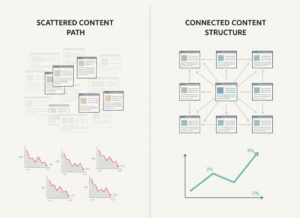
Informational sites rely heavily on topic coverage and internal linking. Each article supports another. Over time, Google recognizes the site as a reliable source.
A helpful concept here is topical authority, which simply means covering a subject thoroughly enough that search engines trust your site. I often recommend students study building long term authority with structured internal linking to understand how this works in practice.
This model rewards consistency over volume. Ten strong pages can outperform fifty weak ones.
External resources like Google’s own Search Central documentation help students understand best practices without cost. Referring to official guidance builds correct habits early.
Affiliate Content With Educational Intent
Affiliate earning often gets a bad reputation because of spam. When done with SEO and education first, it becomes sustainable.
Students can write comparison articles, problem solving guides, or tool explanations. The key is intent. Help first. Monetize second.
A good affiliate article explains who the product is for, who should avoid it, and why it exists. This builds trust. Search engines reward this behavior because users stay longer and engage more.
Affiliate SEO also teaches conversion focused writing, which is valuable beyond blogging. This skill applies to freelancing, SaaS content, and even marketing roles later.
Service Based SEO Earning Models for Students
Not every student wants to wait for traffic. SEO skills can also be sold as services once basics are understood.
Freelance SEO Writing for Blogs and SaaS Sites
SEO writing is one of the fastest ways students earn with SEO. It combines research, structure, and clarity. Clients value writers who understand search intent and content optimization.
Students who learn this can offer services confidently without pretending to be experts. Many successful freelancers started by writing optimized articles for small blogs.
This service model also improves personal sites because practice sharpens judgment.
Managing Content Optimization for Existing Blogs
One service model that many students overlook is content optimization. This work does not require building a site from scratch. It focuses on improving what already exists. Many blog owners publish content and never revisit it. Rankings slip. Traffic fades. This creates a quiet demand for people who understand SEO fundamentals.
Content optimization usually involves reviewing articles for search intent alignment, internal linking gaps, and on page clarity. Students who have practiced on their own blogs are often more prepared than they realize.
Typical tasks include
• Updating outdated information to match current search behavior
• Improving headings so readers scan content easily
• Adding internal links to support topic relationships
• Fixing basic indexing or structure issues
This type of work builds strong analytical thinking. It also teaches students how Google responds to improvements over time. Many site owners prefer ongoing optimization help rather than one time projects. That makes this model more stable than short writing gigs.
A deeper understanding of why internal structure matters can be learned through how internal linking acts as a growth lever for content sites, which connects optimization work directly to business results.
Productized SEO Skills Students Can Package
Creating SEO Checklists and Templates
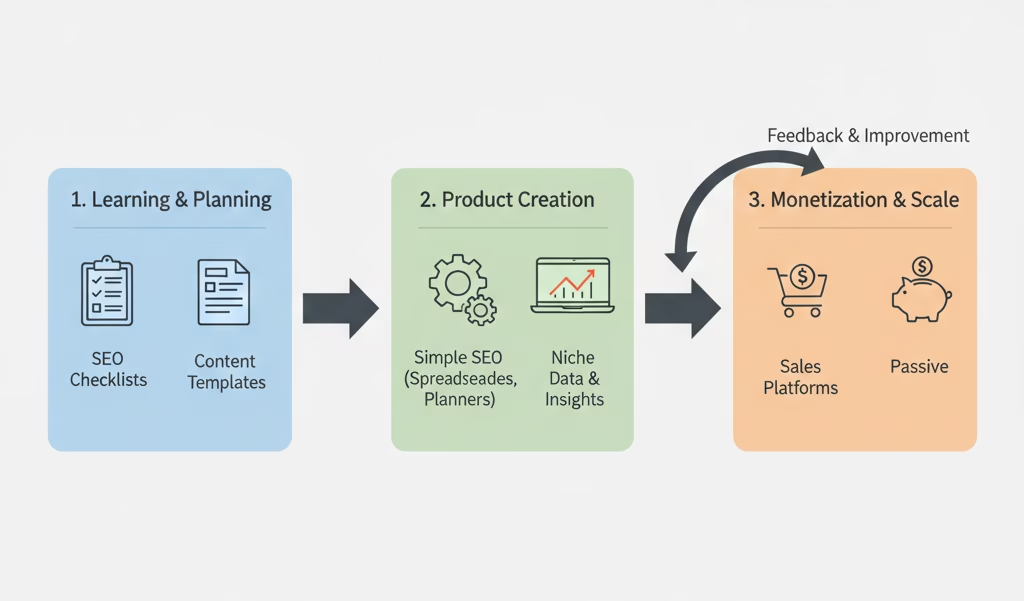
Once students understand repeatable SEO tasks, those tasks can become digital products. This does not require advanced branding or large audiences. Simple tools that save time often perform best.
Examples include
• Keyword research checklists for beginners
• On page SEO templates for blog posts
• Content update workflows for old articles
These products work because they reflect lived experience. A checklist created after fixing real SEO problems feels practical and grounded. Students often underestimate how valuable this clarity is for beginners.
Selling small products also teaches pricing, positioning, and audience understanding. These lessons carry forward into any online earning path.
Building Micro Tools or Simple SEO Resources
Some students enjoy building tools more than writing. Even basic tools can earn when paired with SEO.
A micro tool might be
• A simple content length calculator
• A title optimization helper
• A site structure planner
These tools do not need complex features. They need to solve one clear problem. SEO brings traffic to the tool. The tool builds trust. Monetization follows through ads or upgrades.
This approach aligns well with long term asset creation, similar to how evergreen content works. Understanding this mindset is helpful for students who want income beyond freelancing. The concept connects closely with turning traffic into long term digital assets.
Common Mistakes Students Make With SEO Based Earning
Most SEO failures are not technical. They are mindset related. I have seen the same mistakes repeated by students year after year.
Common issues include
• Expecting results within weeks instead of months
• Copying strategies without understanding intent
• Publishing content without internal structure
• Overusing tools while ignoring fundamentals
SEO rewards observation and patience. Students who slow down and focus on clarity usually outperform those chasing trends.
Another frequent mistake is avoiding internal linking early. Even small sites benefit from structure. Learning this early prevents stagnation later. This is closely tied to avoiding traffic dilution, which is explained clearly in reducing keyword overlap through intent layers.
How Long It Takes to Earn With SEO Skills Realistically
This question matters more than most people admit. SEO timelines shape motivation.
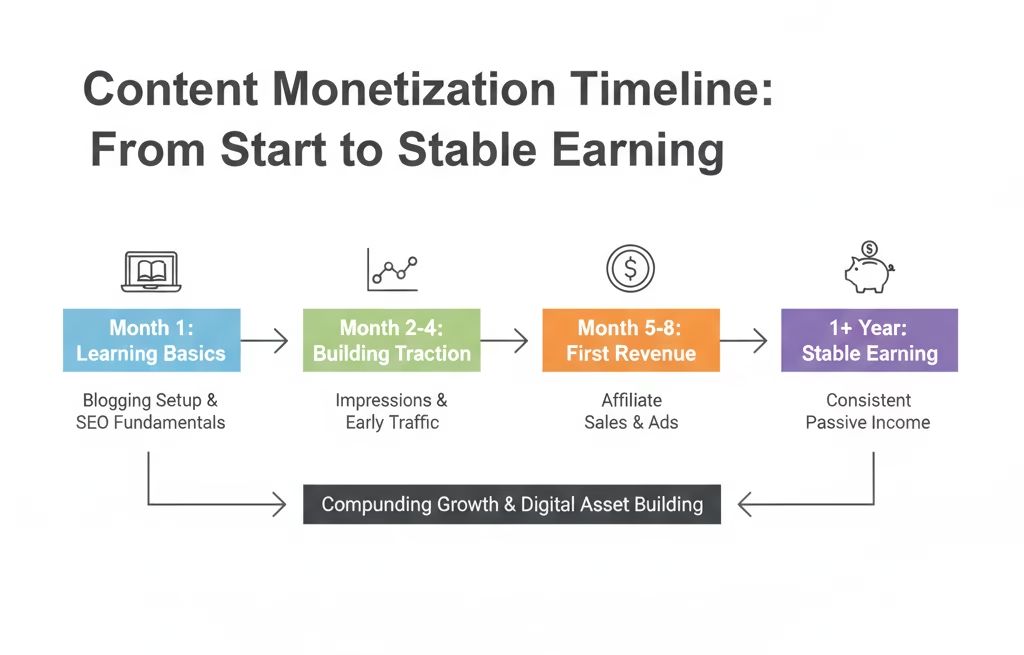
From what I have observed, most students follow a pattern
• First month learning basics and publishing initial content
• Months two to four seeing early impressions but little income
• Months five to eight earning first consistent revenue
• Beyond one year building stability and confidence
Income grows unevenly. One article may suddenly perform well after months of silence. This delayed reward is frustrating but normal. Students who understand this stay consistent. Those who do not often quit too early.
SEO teaches patience in a way few other online skills do.
Balancing SEO Learning With Academic Life
Students already manage tight schedules. SEO fits well when approached realistically.
I advise students to focus on
• One site or project at a time
• One publishing goal per week
• Learning from performance instead of perfection
SEO progress often comes from small improvements repeated consistently. This makes it easier to balance studies and earning without burnout.
Frequently Asked Questions
Can students really earn online using SEO skills
Yes, many students earn through blogs, services, and digital products. Results depend on consistency and understanding rather than luck.
How much money can a student realistically make with SEO
Earnings vary widely. Early income may be modest, but skills compound. Long term potential grows with experience and asset quality.
Is SEO too technical for beginners
No. Beginner SEO focuses more on content clarity and search intent than technical setups.
Do students need money to start learning SEO
Most learning resources and tools are free. Investment becomes optional later.
Can SEO skills help beyond online earning
Absolutely. SEO supports careers in content, marketing, analytics, and digital strategy.
Conclusion
SEO based online earning is not about shortcuts. It is about learning how attention works on the internet and using that knowledge responsibly. Students who invest time in SEO build skills that outlast platforms and trends.
What makes SEO powerful for students is its alignment with growth. Every article teaches something. Every improvement builds confidence. Income becomes a byproduct of usefulness.
If you approach SEO with patience, curiosity, and structure, it can support you not just during student life, but long after it ends.